


When sending power efficiently, power pole fittings are very important. These parts lower energy loss by keeping wires steady and straight. They also make power poles stronger, so they stay safe in bad weather. Using good-quality fittings reduces repairs and boosts your power system’s performance. This leads to fewer problems and better energy supply for your area.
Key Takeaways
- Power pole fittings hold wires firmly, cutting down energy waste.
- Strong materials like steel and iron make poles steady in storms.
- High-quality fittings need less fixing, saving both time and money.
- New designs and materials make fittings work better and last longer.
- Smart fittings with sensors check for problems fast, boosting reliability.
What Are Power Pole Fittings?
Definition and Purpose
Power pole fittings are parts that hold wires and cables. They attach these to utility poles to keep them secure. These fittings make sure power lines stay straight and steady. Even in bad weather, they help prevent wires from moving too much. This keeps the power system working well and avoids blackouts.
Strong materials like steel and cast iron are used to make them. These materials don’t rust easily and last a long time. Power pole fittings are built to meet safety rules and standards. For example, Telcordia GR-3174 and ANSI 05.1.2008 set guidelines for how they should work. This ensures they stay safe and reliable in different conditions.
| Specification Type | Details |
| Power Pole Type | Channels for wires to pass through |
| Material | Made from 16-gauge sheet metal |
| Functionality | Brings power and data cables from ceilings to devices |
| Applications | Used in offices, data centers, and stores |
| Compliance Listings | Check spec sheets below for compliance details |
Role in Power Transmission Systems
Power pole fittings are key to making power systems work well. They hold wires tightly to stop them from sagging or shifting. This helps avoid energy loss and keeps power flowing smoothly. The fittings also keep the wires at the right tension, which is important for efficiency.
You can find these fittings in cities and rural areas. They help poles stay strong under heavy loads and bad weather. Guidelines like RUS Bulletin 1724E-150 explain how poles and fittings should be built. This ensures they are safe and work properly.
Using good-quality fittings improves your power system and lowers repair costs. These fittings protect wires and make poles last longer. They are a smart and affordable choice for today’s power networks.
Discover the reliability and efficiency of L&R Electric’s Power Pole Fittings by visiting our product page here.
How Power Pole Fittings Improve Transmission Efficiency
Minimizing Energy Loss
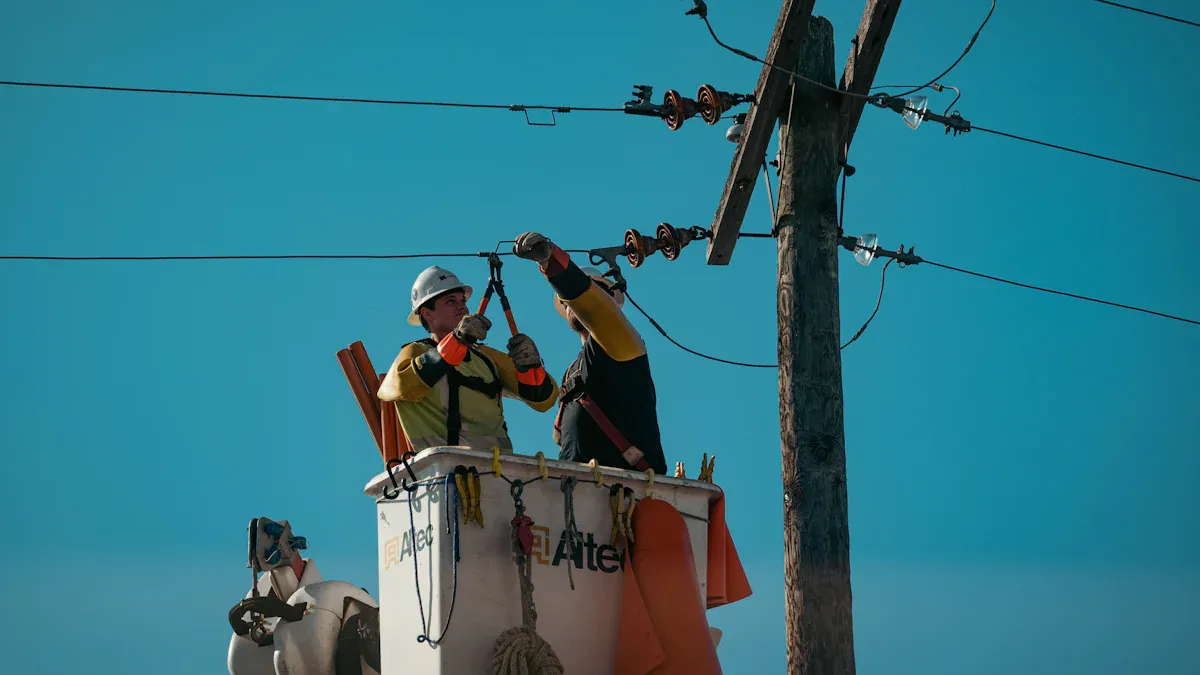
Power pole fittings help stop energy loss during power transmission. When wires sag or move, they waste energy by creating resistance. These fittings hold wires tightly, keeping them straight and at the right tension. This lowers resistance and helps electricity flow better.
For instance, insulators, a type of fitting, stop energy from leaking. They keep electricity inside the wires and away from the pole. This makes sure energy stays on track, improving efficiency. Think of these fittings as protectors that guide electricity and reduce waste.
Enhancing Structural Stability
Power pole fittings make utility poles stronger and more stable. They spread the weight of wires evenly, stopping poles from bending or falling. This is very helpful in places with strong winds, storms, or heavy snow.
Parts like brackets and clamps add extra support by holding wires firmly. This keeps the system working even in bad weather. A strong structure not only protects wires but also prevents power outages, keeping electricity reliable.
Tip: Choose strong power pole fittings made of steel or cast iron. These materials make your power system even more stable.
Reducing Maintenance Needs
Fixing power systems often can cost a lot of money and time. Power pole fittings lower this need by guarding wires and poles from damage. For example, rust-proof materials in these fittings stop corrosion, which weakens poles.
By keeping wires secure, these fittings also prevent damage from weather or other causes. This means fewer repairs and less maintenance for your system. Over time, using good-quality fittings saves money and ensures steady power transmission.
Types of Power Pole Fittings and Their Benefits

Insulators
Insulators are very important parts of power pole fittings. They stop electricity from escaping wires and keep it flowing well. By separating wires from poles, they lower energy loss and make things safer. Think of them as shields that block electrical leaks.
To make sure they work well, insulators go through many tests. These include tests for electricity, strength, and sunlight resistance. For example:
- Water-repelling tests check how well they handle moisture.
- Dry arc tests see how they work in dry conditions.
- Voltage spike tests measure how they handle sudden power surges.
Labs also study how insulators perform in dusty or salty air. This helps decide if they can work in different weather.
| Test Type | Purpose |
| Electrical Testing | Checks if current flows correctly |
| Mechanical Testing | Tests strength and toughness |
| UV Aging Tests | Measures sunlight resistance |
Using good insulators makes power systems safer and more efficient.
Clamps
Clamps are key for holding wires tightly to power poles. They stop wires from sagging or moving, keeping electricity flowing smoothly. Clamps also keep wires at the right tension, which helps save energy.
There are different clamps for different jobs. Suspension clamps hold wires at angles, while strain clamps handle tight wires. Both types are built to survive bad weather like strong winds or snow. Made from tough materials like steel, they last long and need less fixing.
Note: Well-installed clamps improve power flow and make systems last longer.
Brackets and Connectors
Brackets and connectors keep power poles strong and steady. Brackets spread wire weight evenly, so poles don’t bend or fall. Connectors link wires together, ensuring electricity flows without breaks.
These parts are made from strong materials like cast iron or steel. This makes them rust-proof and able to handle tough weather. For example, brackets add support during storms, and connectors keep wires secure.
High-quality brackets and connectors lower the chance of power outages. They make systems stable and reliable, even in hard conditions. Investing in these parts improves your power system’s strength and performance.
Innovations in Power Pole Fittings
Advanced Materials
New materials have made power pole fittings work better. Today, strong alloys and composites are used to stop rust and handle bad weather. These materials last longer and need less fixing. For example, coated steel alloys don’t rust, even in wet or salty areas. This strength lowers the chance of problems and keeps power lines safe.
Lightweight materials also help power systems work more efficiently. They reduce the weight on poles, making them stronger and safer. Choosing fittings with these advanced materials ensures your power system works well, even in tough conditions.
Modern Designs
New designs for power pole fittings focus on being useful and easy to install. Companies now make modular systems that are quick to set up. These designs save time, cut costs, and look better in cities and rural areas.
Better designs also make systems stronger. For example:
- Smart grids help find problems quickly.
- Eco-friendly materials protect the environment.
- Prefabricated parts handle storms better, keeping power steady.
These ideas make power systems more efficient and ready for future needs.
Smart Fittings for Monitoring and Efficiency
Smart fittings are the future of power pole technology. They have sensors that give real-time updates on how systems are working. You can check energy flow, find problems, and plan repairs without needing to inspect manually. This saves time and keeps systems running smoothly.
Examples show how smart fittings help. Operators say they use resources better and understand equipment lifespans more clearly. One user shared, “It’s faster because everything is monitored together… We get real-time updates, which is a big help.” Using smart fittings makes power systems more reliable and efficient.
Power pole fittings are important for sending power efficiently. They stop energy loss by holding wires straight and tight. These fittings also make power systems stronger during bad weather. By needing fewer repairs, they save time and money.
New materials and designs make them work even better. Strong features help them last longer and improve efficiency. Picking good fittings ensures safe and steady power for your area.
FAQ
What are power pole fittings made of?
Power pole fittings are made from strong materials like steel or cast iron. These materials don’t rust and can handle bad weather. This makes them last a long time.
How do power pole fittings reduce energy loss?
They hold wires tightly and keep them straight. This lowers resistance and stops energy from leaking. It helps electricity move smoothly and efficiently.
Can power pole fittings handle extreme weather?
Yes, good fittings are built to survive storms and heavy snow. Coated steel and strong designs keep them stable in tough weather.
Are smart fittings worth the investment?
Yes! Smart fittings check your system all the time. They find problems early, cut repair costs, and make systems work better.
How do I choose the right power pole fittings?
Think about your system’s needs and local weather. Pick fittings that don’t rust, are easy to install, and meet safety rules.
Tip: Ask a reliable supplier to help you pick the best fittings.


