


High voltage insulators have ribbed surfaces to make electricity travel farther on the outside. This design helps stop electricity from leaking or jumping, especially when the insulator is wet or dirty. Tests show that the shape and space of ribs change how electricity moves on the surface. Ribbing makes the leakage path about 10% longer and lowers strong electric fields. This helps keep power lines safe during storms or when the air is dirty.
Ribbed designs help insulators work better by stopping dangerous arcs from forming on their surfaces.
Key Takeaways
- Ribbed insulators make electricity take a longer path on the outside. This helps stop leaks and dangerous jumps. Ribs help water drip off fast. This keeps the insulator dry. It lowers the chance of power failures when it rains or is dirty. Dirt and salt can make more leakage current. They also raise the risk of flashover. Cleaning and checking insulators often keeps them safe. Ceramic insulators last longer and handle sunlight well. Polymer insulators are lighter. They also stay cleaner in dirty places. Picking the right rib shape and material helps insulators work better. It also protects power lines in bad weather.
Surface Leakage
Contamination Effects
Insulators often get dirty from things in the air. These things can be salt from the ocean, metal dust, or other pollution. When these stick to the insulator, they change how electricity moves. Salt, like sodium chloride, can pull water from the air. This water mixes with the dirt and makes a thin wet layer. The wet layer lets electricity move more easily across the insulator.
Studies show that different dirt changes the electric field in spots. These changes can make tiny sparks called corona discharge. Over time, these sparks hurt the insulator. When more dirt covers the insulator, it takes less voltage for flashover to happen. Flashover is when electricity jumps across the insulator. This can cause power to go out. Old insulators get rough and hold more dirt. This makes flashover more likely.
Leakage Current Risks
Leakage current is a small flow of electricity on the insulator’s surface. This current gets bigger when the insulator is dirty or wet. Tests show that glass and porcelain insulators have more leakage current with more dirt and water in the air. When leakage current goes up, the insulator cannot block electricity as well. This makes flashover easier, especially in storms or dirty places.
Tip: Clean and check insulators often to lower leakage current and stop flashover.
A table below shows the main things that make leakage current go up:
| Factor | Effect on Leakage Current |
| Salt contamination | Increases |
| Metal particulates | Increases |
| High humidity | Increases |
| Insulator aging | Increases |
Creepage Distance
Ribbing and Path Length
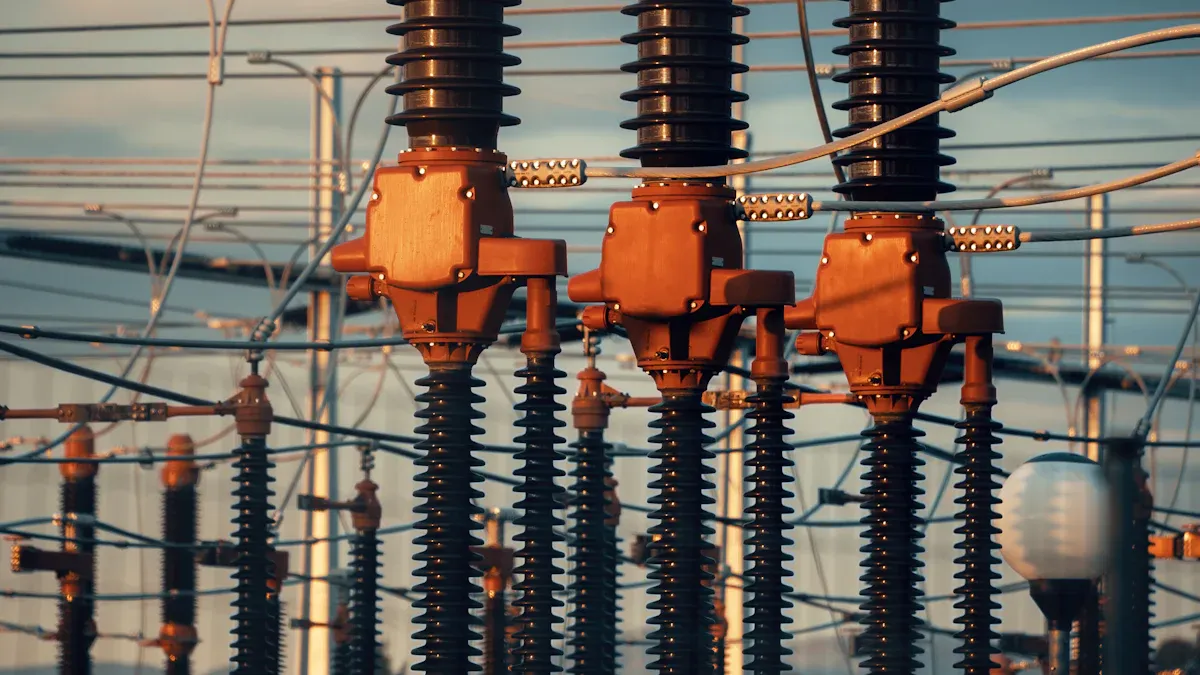
Ribbing changes how electricity moves on the insulator. Each rib makes a bump and a dip on the surface. This design makes electricity travel a longer way, not just straight. The longer path is called the “creepage distance.”
A longer creepage distance helps in many ways:
- Electricity has a harder time finding a shortcut.
- Water can drip off the ribs, keeping the surface dry.
- Dirt and pollution cannot make a smooth path for electricity.
Note: More ribs mean a longer creepage distance. This gives better protection from leakage.
Here is a simple example. If there are no ribs, the creepage distance is just a straight line. With ribs, the path goes up and down, making it much longer. This helps high voltage insulators work better in bad weather.
Flashover Prevention
Flashover is when electricity jumps across the insulator. This can cause power to go out and break equipment. Ribbing helps stop flashover by making the creepage distance longer.
Rain, fog, or pollution can cover the insulator. This makes flashover more likely. Water and dirt make the surface easier for electricity to move. A longer creepage distance means electricity must go farther before it can jump. This lowers the chance of flashover.
Engineers use ribbed insulators to protect power lines in all weather. They test different rib shapes and sizes for each place. In areas with lots of pollution or salt, they use insulators with even more ribs to keep things safe.
Tip: A longer creepage distance is a great way to stop flashover and keep power on.
High Voltage Insulators and Ribbing
Water Runoff Benefits
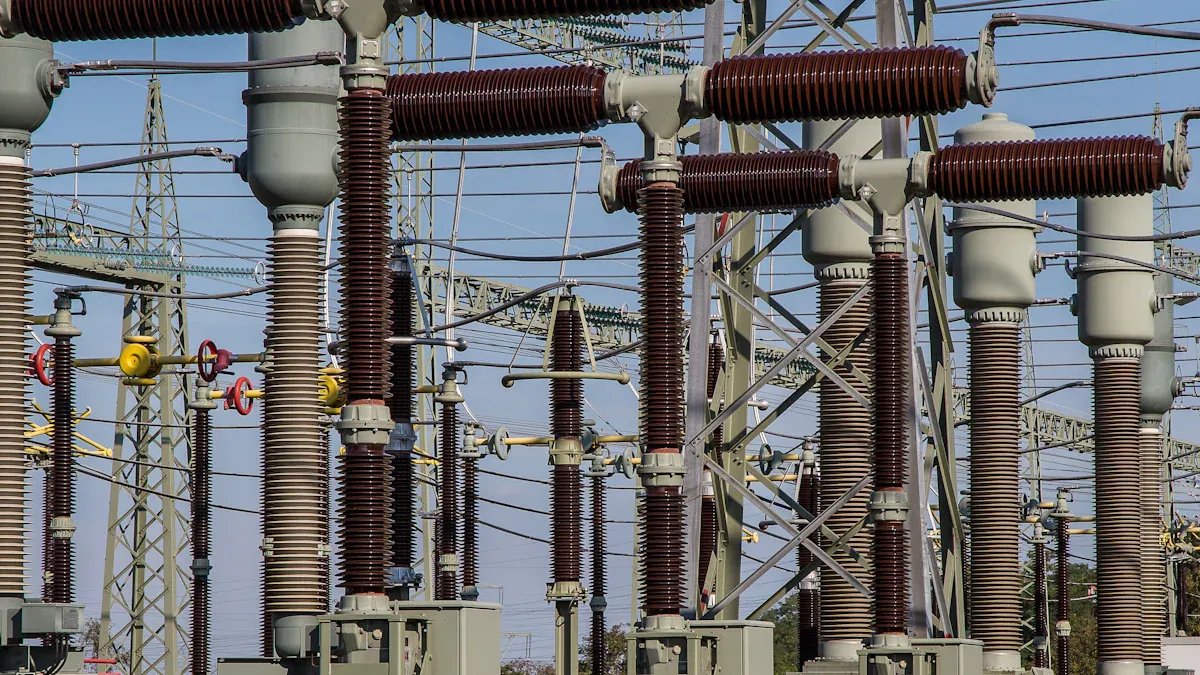
Ribbing helps water move off high voltage insulators fast. When it rains or there is fog, water covers the insulator. This water can make a thin layer on the surface. The layer lets electricity move across, which can cause flashover. Ribs break up the water into drops. The drops roll off each rib’s edge, so the surface dries quickly. This stops a full layer of water from forming.
Engineers learned ribbed insulators work better when it is wet. The ribs help keep the surface dry and clean. Dirt and pollution do not stick well because water washes them away. This makes high voltage insulators work better in storms or dusty, salty places.
Tip: Ribbed insulators help keep power lines safe by stopping water from making a path for electricity.
Electric Field Distribution
The shape and number of ribs change how electricity spreads out. Each rib changes the electric field near the insulator. This makes it harder for electricity to jump or leak. Research shows shallow ribs stop flashover better than deep ribs. A bigger insulator and the right rib shape help in dirty or wet places.
Experts say ribbing makes the creepage distance longer. This is the path electricity must travel on the surface. A longer path means more resistance and less chance of flashover. The ribs also break up the path for electric arcs, so they do not form easily. Both ceramic and polymer insulators use ribs to last longer and work better in high voltage systems.
A table below shows how rib shape affects performance:
| Rib Shape | Flashover Risk | Water Runoff | Best Use Case |
| Shallow | Low | Good | Polluted environments |
| Deep | Medium | Fair |
Dry areas
|
Materials for High Voltage Insulators
Ceramic vs. Polymer
Engineers use ceramic and polymer to make high voltage insulators. Each material has good and bad points. Ceramic insulators, like porcelain and glass, are very strong. They do not rust and last a long time outside. They can handle sunlight and bad weather. But ceramics are heavy and can break if dropped.
Polymer insulators are made from silicone rubber. They are much lighter than ceramics. Workers can carry and install them more easily. These insulators stay cleaner because water and dirt slide off. This helps stop pollution flashover, even when it is wet or dirty. But polymers can get weaker from sun, heat, and pollution. How long they last depends on the material and how well they are made.
Researchers have tested both types in labs and on computers:
- Polymeric insulators stop pollution flashover better because water rolls off.
- Ceramic insulators are strong and do not get damaged by sunlight as much.
- Polymer insulators need to be checked and cleaned more often. Ceramics do not need as much care.
- Ceramics cost more at first but last longer. Polymers may need to be replaced sooner.
| Property | Ceramic Insulators | Polymer Insulators |
| Weight | Heavy | Light |
| Pollution Resistance | Moderate | High |
| UV Stability | High | Moderate |
| Maintenance Needs | Low | Moderate/High |
| Service Life | Long | Varies |
Tip: Pick ceramic or polymer based on the place and how often you can do maintenance.
Material and Ribbing Interaction
The material changes how well ribbing works on an insulator. Scientists use computers to see how rib shapes and materials handle electric stress. For example, polymer insulators with ribs spread out the electric field better than ceramics. This helps stop flashover and makes them more reliable.
Tests on different rib shapes, like deep or curved ribs, show that some patterns make the surface stronger and the leakage path longer. These changes help both ceramic and polymer insulators work better in dirty or wet places. But the results depend on the material. Polymers, because they repel water, work well with ribbing to keep clean. Ceramics need the right rib shape and size to make the creepage distance longer.
Researchers keep testing new rib shapes and materials to find the best mix for high voltage insulators. They use special computer programs like ANSYS and COMSOL to test how they work in real life.
Note: The best mix of material and ribbing keeps power lines safe and working, even in hard places.
Ribbing on high voltage insulators gives important benefits. It makes the creepage distance longer. It also lowers surface leakage. Ribbing helps insulators work better in bad weather. This design keeps power lines safe and working well. Ribbed insulators stop flashover, even if there is rain or pollution on them.
Engineers still use ribbed high voltage insulators. They help protect power systems every day.
FAQ
Why do high voltage insulators have ribs?
Ribs make electricity travel farther on the outside. This longer path helps stop leaks or jumps. Ribs also help water slide off fast.
Do more ribs always mean better protection?
More ribs usually make the creepage distance longer. This gives better safety from leakage and flashover. But too many ribs can make cleaning tough and trap dirt.
Can ribbed insulators work in salty or polluted areas?
Yes, ribbed insulators work well in salty or dirty places. The ribs help keep the surface dry and clean. They also make it harder for electricity to cross the insulator.
What materials work best with ribbed designs?
Ceramic and polymer both work well with ribs. Polymer insulators often stay cleaner because water and dirt slide off. Ceramic insulators last longer in sun and bad weather.
How often should ribbed insulators be checked?
Engineers say to check ribbed insulators often. Inspections help find dirt, damage, or wear. Cleaning and care keep them safe and stop power loss.


