


Switchgear is a group of electrical devices that control power systems. These devices help protect and turn off power when needed. They make sure electrical equipment works safely and well. Switchgear stops damage by breaking bad currents and separating parts of a circuit. In homes and businesses, good switchgear keeps people and things safe from electrical dangers.
Key Takeaways
- Switchgear helps control and protect electrical power. It keeps people and equipment safe. It finds problems fast and stops them. This helps prevent damage and power loss. There are different types of switchgear. Some work at low voltage. Some work at medium or high voltage. They are used for different things. Important parts include circuit breakers, relays, and disconnect switches. These help manage electricity safely. Checking switchgear often is important. Taking care of it helps keep things safe. It also helps power systems last longer.
Switchgear Basics

Definition
Switchgear is a group of devices that help control electricity. These devices are things like circuit breakers, switches, and fuses. Switchgear is the main place where electricity is managed in a power system. It can turn the power on or off. It also helps keep everything safe.
Purpose
Switchgear’s main job is to keep electrical systems safe and working well. It protects people and equipment from electrical problems. Switchgear can quickly shut off parts that are not working right. This stops problems from spreading. It also helps workers watch and control how electricity moves.
Switchgear does many important things in today’s power networks:
- Separates broken parts to keep people safe.
- Controls electricity so it does not get too high.
- Lets people control it from far away and see what is happening.
- Finds problems and tells workers to fix them fast.
- Works with new technology and renewable energy.
Role in Power Systems
Switchgear is very important for keeping power systems safe and steady. It controls, protects, and separates circuits to stop blackouts. When something goes wrong, switchgear shuts off the bad part. This helps bring power back quickly. Circuit breakers, fuses, and relays all work together to keep people and equipment safe.
Modern switchgear uses smart sensors and tools to watch the system. These tools help stop surprise outages and save money on repairs. Gas-insulated switchgear is small and works well in cities or tough places. Switchgear also helps use renewable energy and balance the power grid. Cybersecurity keeps the system safe from online threats and makes sure it works well.
How Switchgear Works
Operation
Switchgear works in steps to keep power safe and steady. First, workers close all back doors and covers. They make sure the grounding switch is closed. Next, they use the handle to open the grounding switch. Then, they lock the lower door of the cabinet. The service trolley is pushed and locked into place. Workers put in the secondary plug and close the trolley room door. They use the handle to move the circuit breaker trolley to the right spot. This locks the plug and connects the main circuit. The worker uses the control panel to close the circuit breaker. This turns on the power. Lights on the panel show what is happening.
To turn off the power, the worker opens the circuit breaker with the panel. They move the trolley to the test spot and unlock the plug. After opening the trolley room door, they unplug the secondary plug and main circuit. The service trolley is pulled out and opened. The worker checks for power with special tools. Last, they close the grounding switch and open the lower door for repairs.
Tip: Workers must follow each step to stop mistakes and keep things safe.
Switchgear can have problems like too much current, arc flashes, bad insulation, or old parts. Workers fix these by using safety devices, checking often, and learning the right way to do things.
Fault Protection
Switchgear keeps power safe by finding and stopping faults fast. Circuit breakers sense too much current with heat or magnets. When something goes wrong, they stop the flow to protect things. Relays watch the power and tell breakers to act if they see trouble. Disconnect switches help keep workers safe during repairs.
- Circuit breakers stop power if there is too much or a short.
- Fuses melt and break the flow if current is too high.
- Relays find faults and start the breaker.
High-voltage switchgear uses special gases or a vacuum to stop faults. Corona discharge and partial discharge can warn of problems early. Corona discharge happens when high voltage makes the air around wires glow a little. This can hurt insulation and metal over time. Finding these signs early helps stop big problems.
Note: Finding and stopping faults fast keeps people and equipment safe.
Isolation
Switchgear separates bad parts to stop bigger problems in power systems. Relays find faults like shorts or too much power. They send signals to breakers, which quickly cut off the bad part. This stops the problem from spreading.
Upstream and downstream devices work together so only the bad part is turned off. The rest keeps working. In big systems, many switchgear units and relays must work together. Rules like IEEE 141, 142, and 242 help design these systems.
Switchgear is like a control center. It uses breakers and disconnect switches to separate bad parts. New digital relays help find and fix problems faster. Quick separation keeps the system safe and working.
Safety Reminder: Fast isolation stops big outages and keeps people and equipment safe.
Types of Switchgear
Low Voltage
Low voltage switchgear works with up to 1,000 volts. People use it in homes, small offices, and light factories. It is made to be safe and easy to fix. Workers who are not experts can do simple jobs on it. It has air-insulated circuit breakers, basic relays, and fuses. These systems are cheap and do not need much care.
| Feature | Low Voltage Switchgear |
|---|---|
| Voltage Range | Up to 1,000 volts |
| Typical Applications | Homes, small businesses, light industry |
| Maintenance | Easy, can be handled in-house |
| Cost | Lower initial and maintenance costs |
Medium Voltage
Medium voltage switchgear works from 1,000 to 36,000 volts. People use it in factories, hospitals, data centers, and substations. It has smart protection and can be controlled from far away. Only trained workers take care of these systems because they are harder to work on. Medium voltage switchgear uses vacuum or gas-insulated circuit breakers and protective relays to keep things running well.
Medium voltage switchgear can handle more power and can grow with bigger buildings.
High Voltage
High voltage switchgear is for over 35,000 volts. Power plants and utilities use it for moving lots of electricity. It has special insulation and arc-quenching tools like SF6 gas or air blast circuit breakers. Only experts can put in and fix high voltage switchgear because it is risky and hard to work on. These systems help send power safely over long distances.
| Feature | High Voltage Switchgear |
|---|---|
| Voltage Range | Above 35,000 volts |
| Typical Applications | Substations, power plants, large grids |
| Safety | Requires expert installation and maintenance |
| Cost | High due to advanced technology |
Insulation Types
Switchgear uses different insulation to stop faults and protect from danger. The main types are air, gas, oil, and vacuum.
- Air-Insulated Switchgear (AIS): Uses air around it to keep things safe. AIS is cheap, simple, and easy to fix. It is also good for the environment.
- Gas-Insulated Switchgear (GIS): Uses SF6 gas for better safety and to stop arcs. GIS is small, strong, and works well in tough places. It needs careful use to stop gas leaks.
- Oil-Insulated Switchgear: Uses oil to keep things safe and stop arcs. People use it less now because it can hurt the environment.
- Vacuum-Insulated Switchgear: Uses a vacuum to stop arcs. It is strong, safe, and does not need much care.
| Insulation Type | Medium | Advantages |
|---|---|---|
| AIS | Air | Simple, affordable, easy access, eco-friendly |
| GIS | SF6 Gas | Compact, reliable, low maintenance |
| Oil | Oil | Good arc quenching, but environmental risks |
| Vacuum | Vacuum | Durable, low maintenance, safe |
Companies are making new insulation and safer gases to help the planet and keep people safe.
Switchgear Components
Circuit Breakers
Circuit breakers are the main safety devices in switchgear. They find bad currents and stop the flow to avoid harm. There are many types for different jobs. Air circuit breakers work in low voltage systems and use air to cool and break the arc. Molded case circuit breakers protect machines with set trip points. Miniature circuit breakers are used in homes and offices. They trip by themselves if there is too much current. Vacuum circuit breakers work in high voltage systems and use a vacuum to stop arcs fast. SF6 circuit breakers use special gas to control arcs in power lines. Each type helps keep things safe by stopping problems before they get worse.
Disconnect Switches
Disconnect switches safely separate circuits from power. When turned off, they make a clear gap so no electricity can pass. This keeps workers safe during repairs and stops damage to equipment. Many disconnect switches have lockout and tagout features to prevent accidents. Their strong build lets them handle big currents. Checking them often and keeping them easy to reach makes them work well. Only trained people should use these switches and must wear safety gear.
Tip: Always shut off power at the disconnect switch before fixing anything.
Fuses
Fuses are automatic safety parts in switchgear. If a fault or short causes high current, the fuse melts. This breaks the circuit and separates the bad part. Fuses protect good parts and stop more damage. Fuses must be replaced after they work, unlike circuit breakers. Their simple shape makes them good for quick safety.
Relays
Relays are like the “brain” of switchgear. They watch current and voltage all the time. If they see a problem, like too much current, they send a signal to the circuit breaker. The breaker trips and shuts off the bad area. New relays use computers for fast and correct action. Relays help keep the system safe by acting quickly when there is trouble.
Transformers
Transformers in switchgear change voltage levels for the system. They use magnetic force to make voltage go up or down. This helps send power well and keeps it safe. Transformers do not switch or protect circuits, but they make sure equipment gets the right voltage. In many places, transformers sit close to switchgear as a unit substation. This setup helps move and share power to different parts of a building.
Protection and Safety
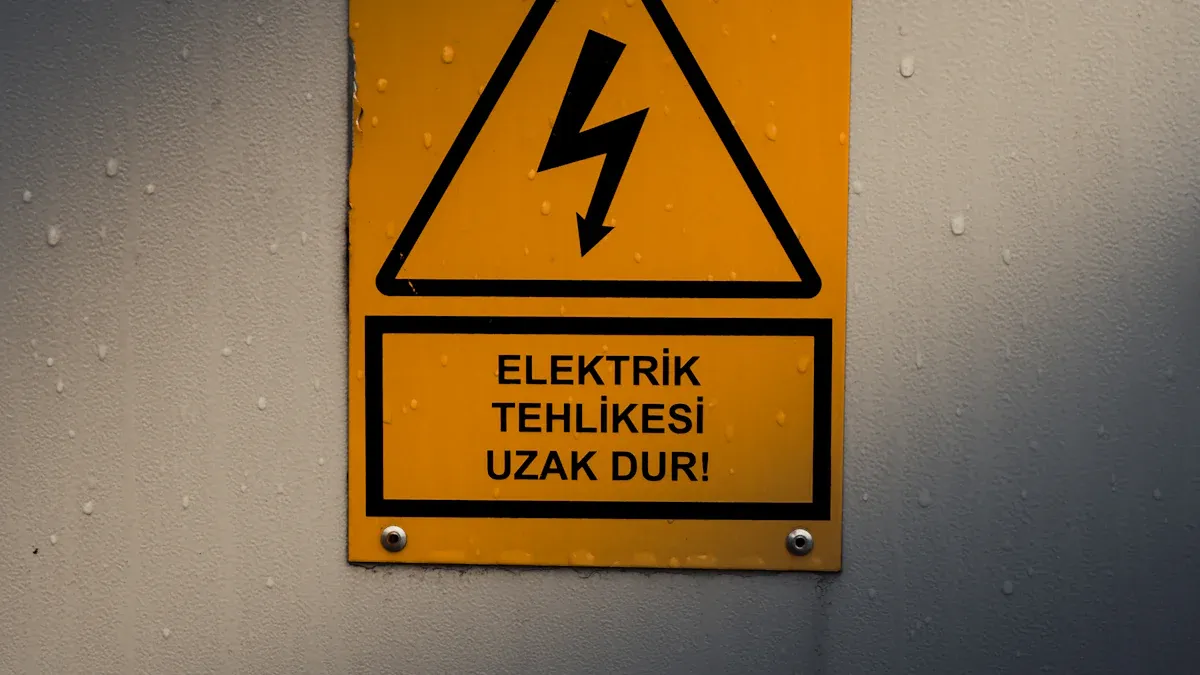
Arc Quenching
Arc quenching is very important for electrical safety. When a fault happens, an electric arc forms between contacts. This arc can cause a lot of damage if not stopped. Modern systems use different arc quenching methods to stop the arc fast and safely:
- Arc Chute (Arc Splitter Stack): Thin metal plates split the arc into smaller parts. This makes it easier to put out. For example, a molded case circuit breaker may use up to 12 splitter plates.
- Magnetic Blow-Out Assembly: Magnetic fields push the arc away from the contacts. This cools and stretches the arc until it goes away.
- Solid Gas-Generating Modules: Special materials break down when the arc happens. They release gases that cool and put out the arc inside the box.
- Electrodynamic Interruption Chambers: Mechanical or electromagnetic forces make the arc longer. This helps it cool down and go out.
- Vertical Slit Chambers: Thin slits make the arc touch the walls. This makes it lose heat faster and go out sooner.
- Advanced Hybrid Systems: Some designs use more than one method for better arc control.
- Self-Adaptive Arc Control: These systems change how they work based on the type of fault. This gives the best way to stop the arc.
Many systems use sulfur hexafluoride (SF6) gas to put out arcs. But SF6 is a strong greenhouse gas. New research looks at safer gases like C4F7N, C4F8, and C5F10O. These are often mixed with CO2 or N2 to keep things safe and help the environment.
Safety Features
Engineers add safety features to lower the risk of electrical accidents. These features protect people and equipment:
- Anti-reflex control handles and interlocks stop unsafe or wrong use.
- Insulated and shielded parts, like finger-safe designs and covered busbars, stop people from touching live parts by mistake.
- Remote racking systems let workers control breakers from far away. This keeps them safe from arc flash.
- Voltage indicators show clear warnings when circuits are live.
- Infrared checks and partial discharge tests help find problems early. This stops failures before they happen.
- Fast-acting relays and arc fault detection systems trip breakers quickly. This limits damage and injury.
- Ultra-fast earthing switches ground faults fast. This puts out arcs and lowers harm.
Industry standards like UL 1558, IEEE C37.20, and NFPA 70E set strict rules for design, testing, and labels. These rules need barriers, separate sections, and clear markings. Following these rules keeps things working well and workers safe. Regular checks, risk reviews, and good setup also help keep everything safe in all places.
Switchgear is very important in electrical systems. It helps control, protect, and separate equipment. Circuit breakers and relays are parts of switchgear. They find problems fast and stop damage. Picking the right switchgear makes the system work better. You should think about what the system needs and the place it will be used. Checking and cleaning switchgear often helps it last longer. This also lowers the chance of problems.
Good switchgear keeps people and things safe. It helps power move safely and works well.
- Pick switchgear that fits each job.
- Check and care for switchgear often to keep it safe.
FAQ
What is the main job of switchgear?
Switchgear helps control and protect electrical equipment. It can also separate parts when needed. It keeps people and machines safe by stopping power during problems.
How often should workers check switchgear?
Workers need to check switchgear at least once every year. Regular checks help find issues early. This keeps the system safe and working well.
Can switchgear handle renewable energy sources?
Yes, switchgear works with solar and wind energy. It helps control how power moves and protects equipment from faults.
Why do some switchgear use SF6 gas?
Engineers use SF6 gas in some switchgear. This gas stops electrical arcs very fast. It helps keep high-voltage systems safe and steady.
What happens if switchgear fails?
If switchgear fails, electrical faults can spread fast. This can damage equipment and cause power outages. It can also put workers and the public at risk.


