


A load break switch, often asked as “what is load break switch,” is a device designed to safely interrupt electrical load currents. It is commonly used to isolate circuits or disconnect equipment while the system remains under load, ensuring that maintenance or repairs can be performed without endangering personnel or causing damage to equipment.
The design of a load break switch addresses critical safety and reliability concerns in electrical systems, such as contact corrosion, mechanical wear, and environmental contamination. As the demand for reliable power distribution grows and smart grid technologies are increasingly adopted, the question of “what is load break switch” becomes more relevant, with their usage continuing to expand. The market for these devices is projected to reach USD 3.5 billion by 2028, growing at a 5.2% CAGR.
By utilizing advanced technologies like vacuum interrupters, load break switches significantly enhance the safety and reliability of modern electrical distribution systems. Their essential role in ensuring smooth operations makes them a vital component in utilities and various other sectors.
Key Takeaways
- A load break switch stops electrical currents safely during use. This helps with maintenance without danger.
- Taking care of load break switches means checking, cleaning, oiling, and testing them. This keeps them working well.
- There are different load break switches like air, gas, and vacuum types. Each works for specific uses and places.
- Load break switches make things safer by cutting off circuits clearly. This lowers the chance of shocks or damage to equipment.
- Picking the right switch depends on what you need. Load break switches are good for cutting power, while circuit breakers handle bigger problems.
How a Load Break Switch Works
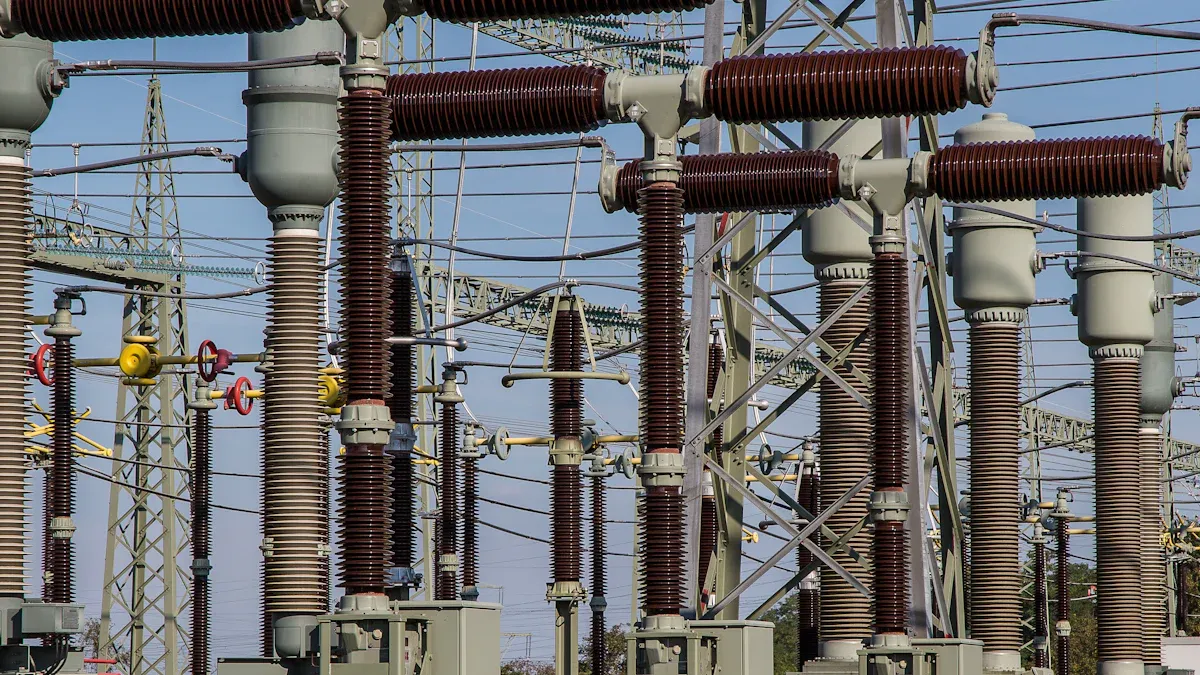
Basic Functionality
A load break switch allows you to safely interrupt electrical currents while the system remains under load. It ensures that you can disconnect circuits or equipment without causing damage or risking safety. The operation involves several key steps:
- Conduct a visual inspection to check for wear, corrosion, or damage.
- Clean the switch to remove dirt and contaminants.
- Lubricate mechanical parts for smooth performance.
- Tighten all electrical connections to prevent faults.
- Perform operational tests to confirm proper functionality.
These steps ensure the switch operates reliably and maintains safety standards.
Key Components
A load break switch consists of several essential parts. The main components include:
- Switching Mechanism: This part opens and closes the circuit to interrupt the current.
- Contacts: These are the points where the electrical connection is made or broken.
- Arc Extinguishing System: This system suppresses the electrical arc that forms when the switch operates.
- Insulation: Materials like air, gas, or vacuum provide insulation to prevent electrical leakage.
- Operating Handle or Motor: This allows you to manually or automatically operate the switch.
Each component plays a critical role in ensuring the switch functions effectively and safely.
Manual vs. Automatic Operation
Load break switches can operate manually or automatically. A manual switch requires you to physically operate it using a handle or lever. This type is simple and cost-effective, making it suitable for smaller systems.
An automatic load break switch, on the other hand, uses a motorized mechanism or control system. It can operate remotely or respond to specific conditions, such as a fault in the system. Automatic switches are ideal for larger or more complex electrical networks where quick and precise operation is necessary.
Both types offer unique advantages, and your choice depends on the specific requirements of your electrical system.
Types of Load Break Switches
Air-Insulated Load Break Switch
An air-insulated load break switch uses air as the dielectric and arc extinguishing medium. This type of switch operates effectively under load conditions, making it a reliable choice for many systems. However, its structure is more complex compared to other types of switches. You might find this design suitable for applications where simplicity in maintenance is not a priority.
Air-insulated switches are widely used in medium-voltage systems. They provide a cost-effective solution for isolating circuits. Regular maintenance ensures their performance remains consistent over time.
Gas-Insulated Load Break Switch
Gas-insulated load break switches rely on gases like sulfur hexafluoride (SF6) to extinguish arcs and provide insulation. These switches are compact and highly efficient. You can use them in environments where space is limited or where high reliability is essential.
One of the key benefits of gas-insulated switches is their ability to handle higher voltage levels. They also offer excellent protection against environmental factors like moisture and dust. This makes them ideal for outdoor installations or harsh operating conditions.
Vacuum Load Break Switch
A vacuum load break switch uses a vacuum as the arc extinguishing medium. This design ensures safe disconnection of circuits without shutting down the entire system. It is particularly effective in medium to high voltage distribution networks. You can isolate parts of the system while keeping the rest operational, which is crucial for continuous power needs.
Vacuum switches require less maintenance compared to other types. Their sealed design protects them from environmental conditions, enhancing durability. However, they may need specialized tools for inspection and repair, which could increase maintenance complexity.
Each type of load break switch offers unique advantages. Your choice depends on the specific requirements of your electrical system and the operating environment.
Advantages of Load Break Switches
Safety Benefits
A load break switch enhances safety in electrical systems by providing a reliable way to disconnect circuits under load. You can quickly isolate power during emergencies or maintenance, reducing the risk of electrical hazards. These switches protect both personnel and equipment by preventing accidental contact with live components.
- They minimize the risk of electric shocks by isolating circuits effectively.
- They reduce fire hazards by preventing electrical faults from escalating.
- You can visually confirm circuit isolation, which helps avoid human errors.
By using a load break switch, you ensure safer working conditions and protect sensitive equipment from damage. This makes it an essential tool for maintaining safety in electrical systems.
Reliability and Durability
Load break switches are designed to meet stringent safety standards, such as IEC 62271-103, ensuring their reliability. Their robust construction allows them to handle demanding conditions with minimal maintenance. You can rely on these switches for long-term performance, even in harsh environments.
- They have a long lifespan, reducing the need for frequent replacements.
- Their design focuses on worker safety and accident prevention, making them a dependable choice.
- These switches maintain consistent performance, even under heavy usage.
When you choose a load break switch, you invest in a durable solution that supports the reliability of your electrical system.
Cost-Effectiveness
While the initial cost of a load break switch may seem high, it offers significant long-term savings. Compared to other devices like circuit breakers, these switches often have lower installation and acquisition costs.
| Device Type | Cost Comparison |
|---|---|
| Load Break Switches | Lower installation and acquisition cost compared to 2-pole structures. |
| Disconnectors | Typically lower cost than load break switches. |
| Circuit Breakers | Generally more expensive than load break switches. |
You can save on maintenance and replacement costs due to the durability of load break switches. Their ability to reduce downtime during maintenance also adds to their cost-effectiveness. For price-sensitive markets, they offer a balanced solution between performance and affordability.
Load Break Switch vs. Circuit Breaker

Key Differences
Understanding the differences between a load break switch and a circuit breaker helps you choose the right device for your electrical system. While both devices play crucial roles, their functions and designs vary significantly. The table below highlights their key distinctions:
| Feature | Load Break Switch | Circuit Breaker |
| Primary Function | Breaks and closes load current | Breaks and closes load and fault current |
| Short Circuit Current Handling | Cannot break short circuit current | Can break short circuit current |
| Operation Type | Mostly manual operation | Can be operated electrically |
| Arc Extinguishing Capability | Simple arc extinguishing device | Advanced arc extinguishing capability |
| Cost | Generally lower cost due to simpler design | Higher cost due to complex design and features |
| Insulation Level | Higher than circuit breakers, lower than isolation switches | Lower insulation level |
This comparison shows that a load break switch is ideal for basic load management, while a circuit breaker offers advanced protection features.
When to Use Each Device
Choosing between a load break switch and a circuit breaker depends on your specific needs. Here are some scenarios where a load break switch is more appropriate:
- You need a simple and effective way to disconnect specific sections of a circuit for maintenance.
- Safety is a priority, and you want clear visual confirmation of circuit isolation.
- Cost is a concern, and isolation is more important than fault protection.
On the other hand, a circuit breaker is better suited for systems requiring fault current interruption and advanced protection. By understanding these use cases, you can make an informed decision that ensures safety, reliability, and cost-effectiveness in your electrical system.
Applications and Specifications of Load Break Switches
Common Applications
You’ll find load break switches in a variety of critical applications across industries. These devices play a vital role in ensuring safety and reliability in electrical systems. Here are some of the most common uses:
- Industrial facilities use them to safely interrupt electricity flow during maintenance, preventing equipment damage.
- Renewable energy systems, such as wind and solar installations, rely on them to disconnect circuits for maintenance or isolation.
- Utility distribution networks utilize these switches to isolate faulty sections of the grid, ensuring uninterrupted service to other areas.
- Critical infrastructure, including hospitals and data centers, depends on them for quick disconnection during emergencies to maintain power supply.
These applications highlight the versatility and importance of load break switches in modern electrical systems.
Key Specifications
When selecting a load break switch, you need to consider several key specifications to ensure it meets your system’s requirements. These include:
- Voltage and continuous current ratings that match your system’s capacity.
- Short circuit withstand and interruption ratings for safe operation.
- Accessories like alarms or auxiliary contacts for enhanced functionality.
- Compliance with standards such as ANSI or IEC for safety and reliability.
- Enclosure type suitable for indoor or outdoor use.
Other factors to evaluate include the type of switch (manual, motorized, or remote-controlled) and the operating environment. For example, you should account for temperature, humidity, and corrosion resistance. Additionally, the switch’s capacity to safely interrupt current is crucial for maintaining system stability.
Recent advancements, such as vacuum interrupter technology and integration with smart grid systems, further enhance the performance and safety of load break switches. These innovations make them an even more reliable choice for modern applications.
A load break switch is a vital device for safely interrupting electrical currents under load conditions. It ensures smooth operation and safety in electrical systems by allowing you to isolate circuits or disconnect equipment during maintenance or emergencies. These switches are simple to operate and cost-effective, offering enhanced safety and reliable protection for transformers with features like HRC fuses and Earth Switches for grounding residual charges.
You’ll find load break switches indispensable in modern electrical systems. They allow quick power disconnection during emergencies, preventing hazards and protecting personnel. By enabling selective circuit isolation, they improve efficiency, reduce downtime, and optimize power distribution. Their role in ensuring safety and reliability makes them essential for various applications, from industrial facilities to renewable energy systems.
FAQ
What is the primary purpose of a load break switch?
A load break switch allows you to safely interrupt electrical currents under load conditions. It isolates circuits or disconnects equipment during maintenance or emergencies, ensuring safety and reliability in electrical systems.
What are the key differences between a load break switch and a circuit breaker?
A load break switch interrupts load currents but cannot handle fault currents. A circuit breaker interrupts both load and fault currents, offering advanced protection. You should use a load break switch for isolation and a circuit breaker for fault protection.
What types of load break switches are available?
You can choose from air-insulated, gas-insulated, or vacuum load break switches. Each type uses a different medium for arc extinguishing and insulation, making them suitable for specific applications and environments.
How do you maintain a load break switch?
You should inspect for wear, clean components, lubricate moving parts, and tighten connections. Regular maintenance ensures reliable operation and extends the lifespan of the switch.
Where are load break switches commonly used?
You’ll find them in industrial facilities, renewable energy systems, utility grids, and critical infrastructure. They provide safe circuit isolation for maintenance, emergencies, or system upgrades.


