


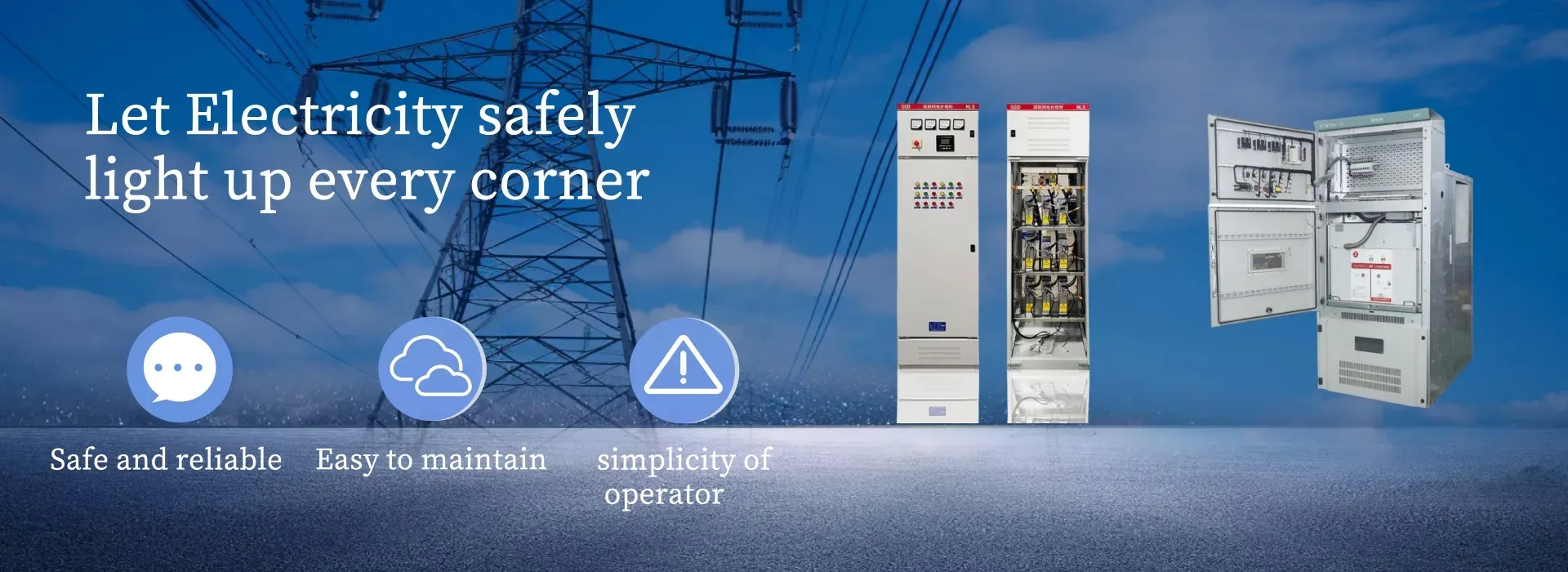
Switchgear is important for keeping electrical systems safe and working. It controls circuits and stops problems from spreading in the system. By stopping overloads, switchgear protects equipment and keeps power running smoothly. Its smart design makes systems work better and lowers dangers, making it a key part of today’s power systems.
Key Takeaways
- Switchgear keeps electrical systems safe by stopping overloads and damage. Regular checks make sure it works well and safely.
- Circuit breakers are key parts of switchgear. They stop power fast during problems, avoiding overheating and fires.
- Disconnect switches help safely separate parts for fixing without turning off everything.
- Good load management keeps the system working well and stops overloads, giving steady power.
- Updating old switchgear makes it safer and better, meeting today’s energy needs and safety rules.
The Role of Switchgear in Preventing Failures
Stopping overloads
Switchgear helps stop electrical systems from overloading. Too much current can overheat wires, harm devices, or start fires. Circuit breakers, part of switchgear, stop extra current quickly. This fast action keeps your system safe and prevents damage. For instance, during a short circuit, the breaker cuts off the problem area. This stops the issue from spreading further. It protects equipment and reduces downtime, keeping things running well.
Finding and fixing faults
Switchgear is great at finding and fixing problems. It can turn off certain parts of the system for repairs. This avoids shutting down the whole network.
- Switchgear keeps electrical systems safe and working.
- It helps fix problems by isolating bad sections.
- Tests like insulation checks ensure safety and reliability.
By stopping problems fast, switchgear protects other parts and keeps the system steady.
Making systems safer and better
Switchgear makes electrical systems safer and more reliable. Regular checks find problems early before they cause trouble. New switchgear tools can check themselves and watch systems in real time.
| Plan | What It Does |
| Regular Checks | Finds problems early to keep things working well. |
| Watching Conditions | Spots warning signs to fix issues on time. |
| Better Switchgear Tools | Adds features like self-checks and real-time watching. |
| Backup Systems | Keeps power on even if something fails. |
| Remote Control | Fixes problems fast and keeps systems running longer. |
These plans, along with strong switchgear design, make power systems safer and more reliable. Using these ideas helps avoid risks and ensures long-term success.
Key Components of Switchgear

Switchgear uses important parts to keep electrical systems safe. Each part has a special job, like protecting circuits, finding problems, and keeping things steady.
Circuit breakers for overload and fault protection
Circuit breakers are the most important part of switchgear. They stop damage from too much electricity or system faults. These devices shut off power when they sense unsafe conditions, like too much current or short circuits. This prevents overheating, broken equipment, and even fires.
Here’s a simple look at what they do:
| Feature | What It Does | Key Details |
| Overload Protection | Stops power when load is too high. | Uses heat sensors, adjustable settings. |
| Short Circuit Protection | Cuts power during short circuits to avoid harm. | Uses magnets, handles high power levels. |
| Ground Fault Protection | Finds unsafe paths to the ground and stops power. | Sensitive sensors, quick response. |
| Arc Fault Protection | Spots sparks to prevent fires. | Advanced sensors, special interrupters. |
| Under Voltage Protection | Stops power when voltage drops too low. | Voltage sensors, adjustable limits. |
| Overvoltage Protection | Cuts power when voltage gets too high. | Surge protectors, voltage suppressors. |
| Remote Monitoring and Control | Lets operators control breakers from far away. | Digital tools, remote reset options. |
| Mechanical Interlocks | Stops breakers from closing at the same time. | Safety locks, key systems. |
| Dual Rating | Works well in different conditions. | Handles AC and DC, adjusts for temperature. |
| Diagnostic and Testing Features | Helps test and check breakers regularly. | Built-in tests, self-check tools |
Testing makes sure breakers work well. For example, primary injection tests mimic real conditions, while trip tests check fast responses. These features make circuit breakers a must-have for modern systems.
Relays for fault detection and signaling
Relays act like sensors in switchgear. They find problems and tell breakers to act. When something goes wrong, relays send signals to shut off the problem area. This quick action stops damage and keeps the rest of the system working.
There are different types of relays for different jobs:
- Electromechanical relays: Use moving parts to find problems. They are simple and affordable.
- Digital relays: Offer advanced features like live monitoring and self-checks. They are great for complex systems.
- Differential relays: Compare current at two points to find imbalances.
Adding relays to switchgear helps find and fix problems fast. They keep your system safe and running smoothly.
Disconnect switches for system isolation
Disconnect switches do a simple but important job. They isolate parts of the system for repairs or emergencies. Unlike breakers, they don’t stop power under load. Instead, they create a visible gap in the circuit for safety.
Why disconnect switches are helpful:
- Better safety: The visible gap shows the circuit is off, reducing risks.
- Easy to use: Simple design makes them quick to operate.
- Strong and reliable: Built to last in tough conditions, indoors or outdoors.
For example, in factories, disconnect switches let you turn off specific machines without stopping everything. This saves time and keeps work going efficiently.
Types of Switchgear and Their Uses
Switchgear comes in various types for different places and jobs. Knowing these types helps you pick the best one for your needs.
Low-voltage switchgear for homes and businesses
Low-voltage switchgear works well in houses and workplaces. It stops overloads and short circuits to keep systems safe. You’ll see it in apartments, offices, and malls.
- Smart home tech is making low-voltage switchgear more popular. These systems need advanced switches to handle modern devices.
- Housing projects and more electrical gadgets are boosting demand for this type of switchgear.
- In areas like Asia Pacific, fast city growth makes low-voltage switchgear important for new homes.
This switchgear protects appliances, lights, and small electrical setups.
Medium-voltage switchgear for factories and energy sites
Medium-voltage switchgear is key for factories and energy plants. It handles more power, making it great for industries and renewable energy sites.
| Year | Market Size (USD) | Growth Rate (%) | Key Reasons |
| 2023 | 9.8 billion | 6.5 | Renewable energy use, smart grid upgrades |
| 2022 | N/A | N/A | U.S. GRIP funding for stronger grids |
| N/A | N/A | N/A | New tech like IoT and digital tools |
Medium-voltage switchgear is improving with smart features like IoT. These tools make systems work better and avoid delays. Governments are funding programs like GRIP to support medium-voltage systems.
High-voltage switchgear for big power networks
High-voltage switchgear is vital for large power setups like grids, plants, and railways. It keeps systems reliable and safe.
| Evidence Type | Details |
| Market Segment | High-voltage switchgear will lead during the forecast period. |
| End Users | Used by utilities, big power plants, railways, and metros. |
| Importance | Needed for safe and steady grid operations. |
| Demand Drivers | Big investments in power grids, especially in growing economies. |
This switchgear meets rising electricity needs in cities and industries. It also supports global plans to upgrade grids and cut pollution.
Best Practices for Switchgear Maintenance and Operation
Regular inspections and preventive maintenance
Checking your switchgear often keeps it safe and working well. Skipping maintenance can cause breakdowns and expensive delays. Following rules helps your system run smoothly.
Tip: Make a plan to check equipment based on its condition. This reduces damage and dirt, helping your switchgear last longer.
Here are some helpful tips:
- Use NFPA 70B rules for maintenance steps.
- Check if heaters and controllers in switchgear work properly.
- Do phasing tests to match system design rules.
- Focus on safety, saving money, and making equipment last.
By following these tips, you lower risks and make your system more reliable.
Effective load management strategies
Managing power use well improves system performance and avoids overloads. Demand Response Management (DRM) is a good way to balance power supply and use. It helps keep the grid steady during busy times.
- DRM tools react to signals with 97-98% reliability.
- Areas with strong DRM have fewer problems and better reserves.
- NERC studies show load management makes grids more stable.
Using load management plans helps your switchgear work better, even in tough situations.
Operator training and safety protocols
Training teaches operators how to use switchgear safely and correctly. Good programs cover safety rules, real-life practice, and hands-on learning.
| Course Highlights | What It Teaches |
| Safety Basics | Explains arc flash rules, electrical codes, and protective gear. |
| Hands-On Practice | Includes labs with 480/600V switchgear and 5kV breakers. |
| Expert Teachers | Taught by instructors with 40+ years of experience. |
| Learning Goals | Improves safety skills, knowledge, and certifications. |
Courses like ‘High Voltage Switching Safety, Operations and Maintenance’ stress safety steps. They show how mistakes or broken equipment cause accidents. Training helps prevent these issues and ensures safety rules are followed.
Upgrading old systems for today’s needs
Old switchgear systems can cause problems for your power setup. They might not handle today’s energy use or meet safety rules. Upgrading them improves safety, performance, and reliability.
Why Upgrade?
Older systems often miss key features for modern setups. They may face issues like:
- Higher energy use: Homes and industries now need more electricity.
- Better safety rules: New systems have tools like arc fault detection.
- Smart grid connection: Old systems can’t work with IoT and new tech.
Tip: Upgrading your switchgear prevents failures and meets current rules.
Benefits of New Switchgear
Modern systems bring many benefits:
| Feature | Benefit |
| Better Efficiency | Saves energy and boosts system performance. |
| Improved Safety | Adds features like ground fault protection. |
| Remote Monitoring | Lets you check and control systems from anywhere. |
| Longer Durability | Built to last longer with less upkeep needed. |
How to Upgrade
- Check your system: Find old parts and areas to fix.
- Ask experts: Get help designing a system that fits your needs.
- Pick good equipment: Choose switchgear with smart features.
- Plan upgrades: Do the work during low-use times to avoid problems.
Note: Regular updates keep your system ready for future energy needs.
Upgrading your switchgear prepares your power system for today’s challenges. It’s a smart way to ensure safety, efficiency, and reliability over time.
Switchgear is key to keeping power systems safe and steady. Knowing how it works and its parts helps improve performance. Taking care of it regularly stops sudden problems and keeps it working well. Using it the right way lowers risks and makes it safer. By following these steps, your electrical systems will work smoothly and last longer.
FAQ
What is switchgear, and why is it important?
Switchgear is a group of tools that controls electricity safely. It stops overloads, fixes problems, and keeps circuits working well. Without it, electrical systems could break often and become unsafe.
How often should you maintain switchgear?
You should check switchgear at least once every year. Regular checks find problems early and keep systems safe. Follow the maker’s rules for when to do maintenance.
Can switchgear be used in renewable energy systems?
Yes, switchgear works in solar and wind power setups. It spreads electricity, protects devices, and keeps systems steady. This makes it important for clean energy projects.
What is the difference between circuit breakers and disconnect switches?
Circuit breakers stop electricity during overloads or system problems. Disconnect switches turn off parts of the system for repairs or emergencies. They don’t stop power while it’s running like breakers do.
How do you choose the right type of switchgear?
Think about your system’s voltage, use, and safety needs. Low-voltage switchgear is good for homes, medium-voltage fits factories, and high-voltage works for big power grids. Ask experts for advice on what’s best.


