


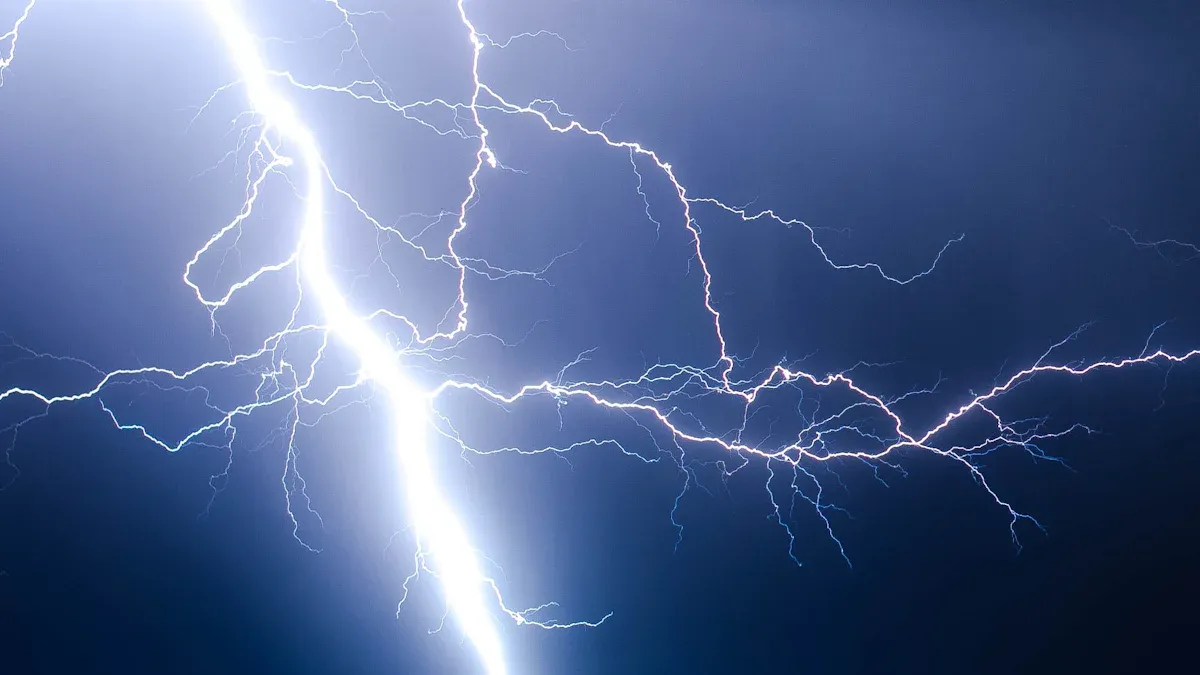
A lightning arrester keeps electrical systems safe from high-voltage surges. These surges happen when lightning strikes. Many industries use these devices to keep power on. They also help stop expensive damage.
The market for lightning arresters is getting bigger. Power utilities, industrial, and commercial groups use them the most.
| Region | Growth Driver |
| Asia-Pacific | More cities, new buildings |
| North America | Nsew technology, more rule |
Key Takeaways
- Lightning arresters keep electrical systems safe. They send high-voltage surges from lightning into the ground. This stops damage and power outages.
- You must install them close to important equipment. Good grounding is also needed. This helps lightning arresters work well. It keeps power systems working.
- There are different types of lightning arresters. Some are for homes, buildings, or power systems. Picking the right one gives the best protection.
- Lightning arresters are not the same as lightning rods. Arresters protect electrical devices from surges. Lightning rods protect buildings by sending lightning to the ground.
- You should check and fix lightning arresters often. This keeps them working well. It lowers the chance of damage during storms.
Lightning Arrester Basics
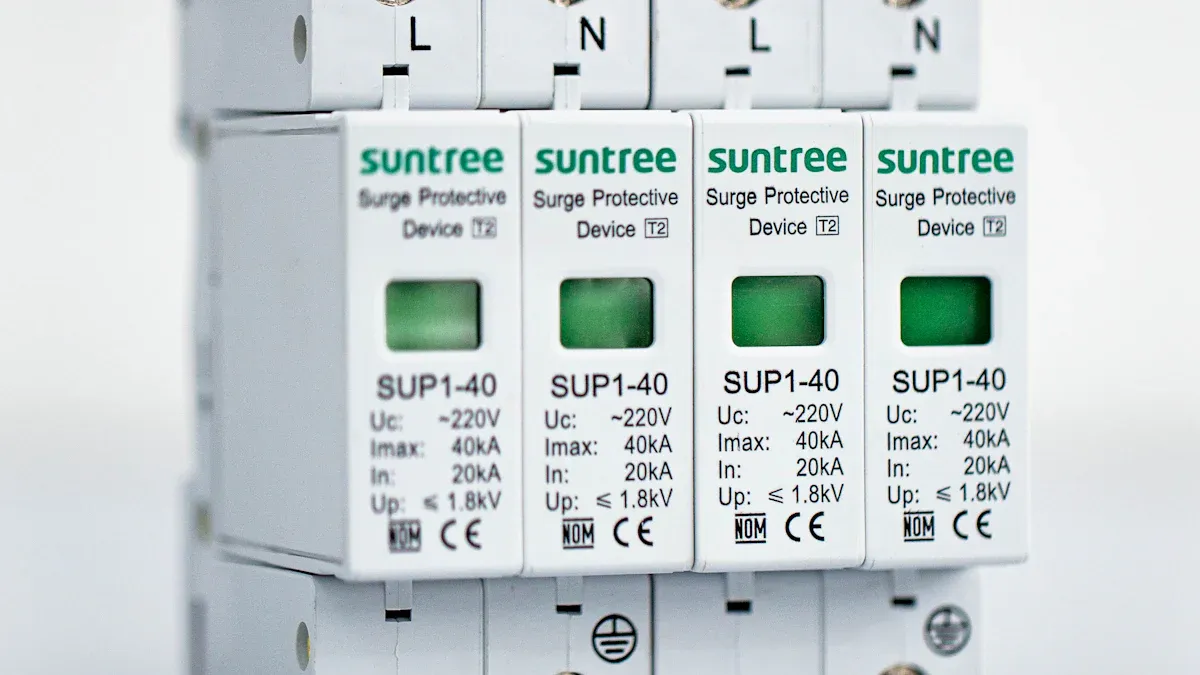
Main Function
A lightning arrester is very important for electrical safety. Its main job is to keep power and telecommunication systems safe from lightning and sudden high voltage. When a surge happens, the arrester works like a safety valve. It sends the dangerous current into the ground fast. This keeps the voltage at a safe level. Doing this helps protect insulation, wires, transformers, and other equipment.
- A lightning arrester gives surge currents a path with little resistance.
- It brings things back to normal after the surge is gone.
- The device lets a high voltage pulse go to the ground, then stops more current from flowing.
- International rules, like IEC 62305 and IEEE C62.11, help make sure these devices work well.
Engineers use these rules to make sure lightning arresters protect both small buildings and big power networks.
Why Protection Matters
If there is no lightning arrester, electrical systems can be in danger. Lightning can send thousands of kilovolts through power lines and equipment. This big surge can break or ruin lines, transformers, and even things in your house. This does not just break equipment. It also causes expensive repairs and power loss.
| Consequence | Explanation |
| Equipment Damage | High voltages can destroy lines, transformers, and devices. |
| Load Interruption | Power supply can stop, causing blackouts. |
| Decreased Reliability | Substations become less reliable due to faults from overvoltages. |
| Insulation Failure | Overvoltages can break down insulation in equipment. |
| Increased Failure Risk | Old or faulty arresters raise the chance of short circuits and interruptions. |
| Costly Damage | Repairs and lost energy increase costs for utilities and users. |
| Network Faults | Faults can disrupt building services and entire electrical networks. |
Using a lightning arrester keeps systems working well and stops these problems. It keeps people, equipment, and the power grid safe.
How Lightning Arresters Work
Surge Diversion
A lightning arrester acts like a shield for electrical systems. Think about a glass of water. If the glass breaks, water spills out and things go back to normal. When lightning causes a voltage surge, the arrester changes its resistance. It lets the extra electricity move safely into the ground. This keeps dangerous energy away from important equipment.
A lightning arrester works like an automatic switch. It can sense very high voltage from lightning or faults. When the voltage gets too high, the arrester acts fast. It sends the extra current away from transformers and other devices. This quick action helps protect power lines and electronics from harm.
Note: Lightning arresters do not stop or absorb lightning. They only send the dangerous surge to the ground to keep equipment safe.
Lightning arresters come in different designs to handle surges:
- Some have spark gaps that open a path when voltage is too high.
- Others use special materials that change resistance quickly during a surge.
- Modern types use metal-oxide varistors (MOVs). These act as insulators at normal voltages but become conductors during surges.
Low-Impedance Path
The main job of a lightning arrester is to give a low-impedance path to the ground. Most of the time, the arrester has high resistance. It lets almost no current flow, so everything works as usual. When a surge happens, the arrester’s resistance drops fast. This makes a path with very little resistance. The surge current can then move safely to the earth.
This process happens in a few steps:
- The arrester stays off with high impedance during normal times.
- When a surge comes, materials like zinc oxide or silicon carbide lower their impedance.
- The arrester gives a low-impedance path and guides the surge away from equipment.
- After the surge, the arrester goes back to high impedance and normal operation returns.
Manufacturers use copper and aluminum to make these devices. These metals have low resistance and low self-inductance. This helps create a safe path for lightning current. Thick braided wires and rods made from copper or aluminum help the surge move quickly and safely to the ground.
Tip: Good grounding and quality materials are very important for a lightning arrester to work well.
Types of Lightning Arresters

For Homes and Buildings
People who own homes or manage buildings have choices for lightning arresters. The main types are rod gap arresters, metal oxide varistor (MOV) arresters, and Early Streamer Emission (ESE) devices. Each type is good for certain needs.
| Model | Intended Use | Coverage Area (sq ft) | Radius Protection (meters) | Key Features |
| CMCE-25 | Small, single-story homes | 20,000 | 25 | Stops lightning from forming, simple to set up, needs little care |
| CMCE-55 | Medium homes, small businesses | 100,000 | 55 | Covers more space, fits bigger homes or small businesses |
| CMCE-120 | Large homes, high-rise buildings | 500,000 | 120 | Made for very big places, lasts a long time |
Safety groups say it is best to use a full lightning protection system. This system has air terminals, conductors, and grounding made from copper or aluminum. These metals last in bad weather and carry electricity well. Installers must follow rules like UL 96A and NFPA 780 to keep things safe.
Tip: Surge protection devices for wires and phone lines give extra safety at home.
For Power Infrastructure
Power plants, substations, and power lines need stronger lightning arresters. Engineers pick from different types, each with special features.
| Type of Lightning Arrester | Working Principle / Mechanism | Typical Use / Characteristics |
| Tubular Arrester | Has a gap that puts out arcs and keeps working voltage away. | Used to protect power lines; stops arcs fast. |
| Valve-Type Arrester | Has a spark gap and silicon carbide resistor; lets surge current flow when voltage is too high. | Protects high-voltage gear; resistor lowers resistance during surges. |
| Zinc Oxide Arrester | Uses zinc oxide that changes resistance; low resistance in surges, high at other times. |
Gives great protection, is light, resists dirt; works well in new systems.
|
Porcelain and composite cases are common. Porcelain types are strong and handle heat, so they work well in substations. Composite types use silicone rubber or plastic, making them lighter and good for tough places.
Note: Engineers put lightning arresters near transformers, busbars, and where wires come in. This helps protect important equipment and keeps power working.
Lightning Arrester Installation
Placement Near Equipment
Putting a lightning arrester in the right spot is very important. If you put it close to important equipment, it can stop surges before they do damage. When you put the arrester at the top of a building, it can catch lightning early. Good grounding is needed so the surge can go safely into the earth.
- Putting arresters near where utility lines come in helps block surges from entering the building.
- Using more than one arrester in different spots gives better protection and makes things safer.
- Putting arresters right on equipment like transformers keeps wires short. This setup helps keep protection strong.
- If the arrester ground connects to the equipment’s steel tank, grounding gets better.
- Putting arresters on equipment before installing them can save money and make things easier.
Tip: Keeping wires short and the setup small helps the arrester work well and stops problems from long wires.
Professional Installation
Having a professional install the lightning arrester makes sure it works right. If someone makes mistakes during installation, insulation can fail or short circuits can happen. These problems can break equipment, start fires, or cause electric shocks. Water inside the arrester can make it wear out faster and cause short circuits inside.
- Bad installation can cause power to go out and cost more to fix.
- Water inside the arrester can start fires and make things unsafe.
- If protection fails, electrical equipment may not last as long.
A home lightning protection system that is installed the right way can stop almost all fires caused by lightning. Experts use copper or aluminum air terminals at the top and connect them to strong grounding. They check the system every year and replace broken parts quickly.
Note: Following rules like NFPA 780 and using good materials helps keep people and property safe.
Myths and Differences
Arrester vs. Rod
Some people think lightning rods and arresters do the same thing. They actually work in different ways and protect against different problems. The table below shows how they are not the same:
| Aspect | Lightning Rod | Lightning Arrester |
| Function | Protects the building by catching lightning and sending it safely to the ground | Protects electrical devices by finding and moving high voltage surges away from important equipment |
| Placement | Put at the highest spots on buildings, homes, or towers | Put close to electrical equipment like transformers or substations |
| Working Method | Catches lightning and sends it to the ground | Quickly moves surge energy to the ground when voltage spikes |
| Application | Used on roofs, barns, and towers to stop fire or damage | Used in power grids and substations to protect inside systems and devices |
| Protection Type | Keeps buildings safe from fire and damage | Protects wires, gadgets, and circuits inside the building |
A lightning rod goes on top of a building. It gives lightning a safe way to reach the ground. A lightning arrester protects the electrical system inside. It stops dangerous surges before they can hurt sensitive equipment.
Common Misconceptions
Many people who own homes or run buildings believe things about lightning protection that are not true. Here are some common mistakes:
- People mix up lightning arresters and surge arresters, but they are not the same.
- Some think Early Streamer Emission (ESE) devices are always better, but not every country or rule allows them.
- Many believe being inside means you are totally safe during a storm. Plugged-in devices and water can still be risky.
- Some think hiding under a tree is safe. Trees can pull lightning and hurt people.
- Others believe if thunder is quiet or far away, there is no danger. If you hear thunder, lightning can still strike you.
Experts say you should use trained professionals for installation and follow safety rules. Easy sayings like “When thunder roars, head indoors” help people remember what to do in storms.
Checking your system often and having good grounding keeps it working well. Everyone should learn about lightning safety and know what to do when a storm is coming.
Lightning arresters are very important for today’s electrical systems. They stop high voltage from hurting equipment. They help keep the power on and stop blackouts. If you install them the right way, they work better. Knowing how they are different from lightning rods keeps people safer.
Putting in these devices saves money over time. They lower repair bills, help equipment last longer, and make things more reliable.
When you compare them, lightning arresters deal with direct lightning strikes. Surge arresters protect against smaller surges. Picking certified systems and checking them often helps homes and businesses feel safe during storms.
FAQ
What is the difference between a lightning arrester and a surge protector?
A lightning arrester keeps big electrical systems safe from direct lightning. A surge protector helps protect smaller things from voltage spikes inside buildings. Both stop damage, but they work in different places in the system.
How often should someone check a lightning arrester?
Experts say to check lightning arresters once every year. Checking often helps find damage, rust, or worn parts. Fixing problems early keeps everything safe and working right.
Can a lightning arrester stop all lightning damage?
A lightning arrester lowers the chance of damage a lot. It cannot stop every problem from lightning. Good setup and regular checks make things safer for people and equipment.
Where should a homeowner install a lightning arrester?
Installers put lightning arresters near the main electrical panel or by key equipment. Using short wires and strong grounding helps the device work its best.
Do lightning arresters need maintenance?
Yes. Lightning arresters need to be cleaned and checked often. Dirt, water, or rust can make them work less well. Taking care of them keeps the system safe and dependable.


