


When it comes to protecting your electrical systems, understanding the differences between a surge arrester vs surge protector is crucial. These devices serve distinct purposes, and knowing which one to use can save your equipment from damage. Surge arresters shield larger electrical systems from high-energy surges, while surge protectors guard sensitive electronics against voltage spikes. By grasping these differences, you ensure effective protection for your devices and systems. So, let’s dive into what sets these two apart and why it matters for your electrical safety.
Understanding Surge Arresters
Definition and Purpose
What is a Surge Arrester?
A surge arrester is a protective device designed to shield electrical systems from voltage spikes. These spikes often result from lightning strikes, power line faults, or other unexpected events. By diverting excess current away from sensitive equipment, surge arresters prevent potential damage. They are typically installed inside electrical panels and are crucial for maintaining the integrity of both low and high voltage appliances.
Primary Functionality
The primary function of a surge arrester is to limit voltage surges and protect electrical systems. When a surge occurs, the arrester channels the excess energy to the ground, safeguarding the connected equipment. This process ensures that the energy used remains of high quality, reducing the risk of outages or costly repairs. Surge arresters often utilize non-linear metal oxide resistors housed in porcelain or silicone rubber, providing reliable protection against transient voltages.
Typical Applications
Use in Power Systems
Surge arresters play a vital role in power systems. They are commonly used to protect electrical installations from high-energy surges. These devices are essential in environments where electrical faults, such as ground faults or load shading, might occur. By installing surge arresters, you ensure that your power systems remain operational and safe from unexpected voltage spikes.
Protection Against External Surges
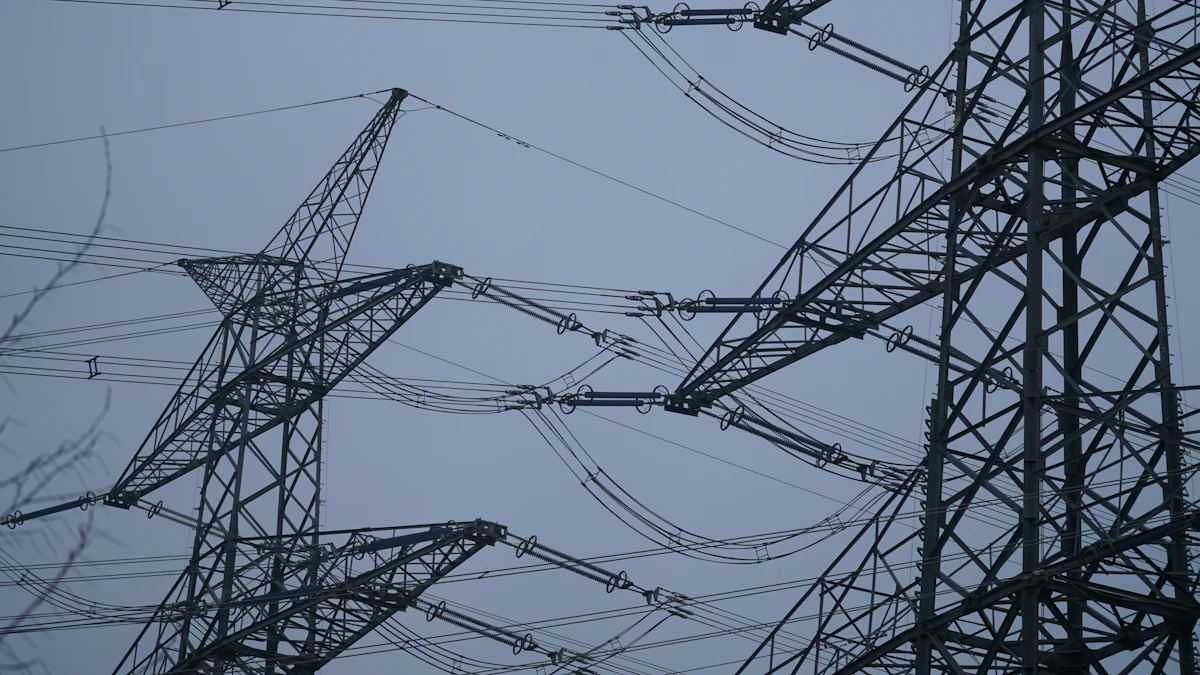
External surges, like those caused by lightning, pose significant threats to electrical systems. Surge arresters are specifically designed to handle these high-energy events. By diverting the surge energy away from critical components, they prevent damage and maintain system reliability. Whether in industrial settings or solar energy systems, surge arresters provide consistent and dependable protection against external surges.
Understanding Surge Protectors
Definition and Purpose
What is a Surge Protector?
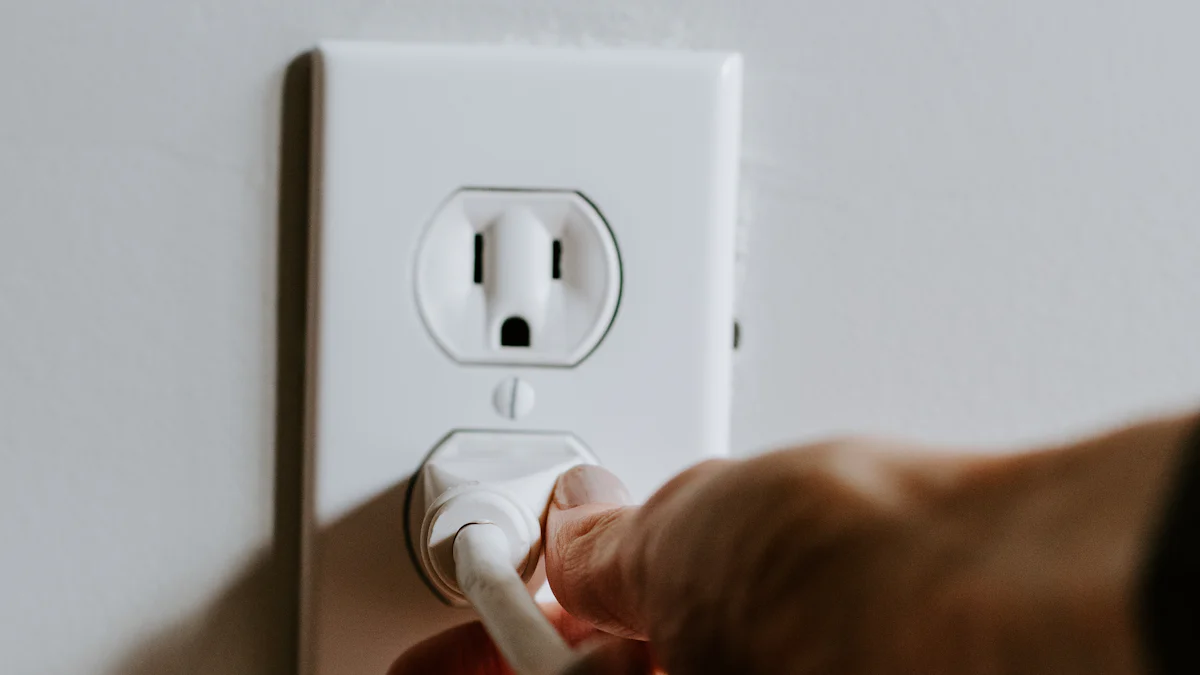
A surge protector acts as a shield for your valuable electronics against damaging power surges and voltage spikes. Think of it as an insurance policy for your devices. You hope you never need it, but you’ll be relieved to have it when a surge occurs. Surge protectors come in various forms, such as power strips or wall-mounted devices, and they are designed to protect any device with a standard AC plug. They ensure that your electronics remain safe from unexpected electrical events.
Primary Functionality
The primary role of a surge protector is to limit the voltage supplied to your electronic devices. When a surge occurs, the protector either short-circuits the excess current to the ground or absorbs the spike, preventing it from reaching your equipment. This process not only safeguards your devices but also filters out electromagnetic noise, ensuring that your electronics operate smoothly. Many surge protectors feature indicator lights to show if the protection is active, adding an extra layer of assurance.
Typical Applications
Use in Household and Office Electronics
Surge protectors are a staple in both homes and offices. They provide a simple and cost-effective solution to safeguard electronics like TVs, computers, and other sensitive devices. By using surge protectors, you can prevent the hassle and expense of replacing damaged equipment. Many models offer multiple outlet variations to accommodate different setups, making them versatile for any environment. Some even include USB charging ports, which are perfect for powering smartphones and tablets.
Protection Against Internal Surges
Internal surges, often caused by appliances turning on and off, can wreak havoc on your electronics. Surge protectors are specifically designed to handle these everyday occurrences. By discharging excess energy safely, they protect your devices from potential damage. This protection is crucial for maintaining the longevity and performance of your electronics. Whether at home or in the office, surge protectors ensure that your equipment remains safe from internal electrical disturbances.
Comparing Surge Arresters and Surge Protectors
When deciding between a surge arrester vs surge protector, understanding their differences is key. Let’s break down how each device is installed, how they protect against surges, and their effectiveness in various scenarios.
Installation Differences
Where and How Each is Installed
Surge arresters and surge protectors have distinct installation methods. You typically install surge arresters outdoors or within electrical panels. They are designed to handle high-energy surges, such as those from lightning strikes. This placement allows them to divert excess voltage away from your main electrical system, protecting it from damage.
On the other hand, surge protectors are usually found indoors. You can easily plug them into wall outlets or use them as power strips. They are perfect for safeguarding individual electronic devices like computers and televisions. Their installation is straightforward, making them accessible for everyday use.
Protection Methods
How Each Device Protects Against Surges
The protection methods of surge arresters and surge protectors differ significantly. A surge arrester works by diverting excess current to the ground. It limits voltage surges that could harm your electrical equipment. This method is effective for protecting large systems from external surges.
In contrast, a surge protector limits the voltage supplied to your devices. It either short-circuits the excess current to the ground or absorbs the spike. This action prevents the surge from reaching your electronics, ensuring their safety. Surge protectors also filter out electromagnetic noise, which helps your devices run smoothly.
Effectiveness in Different Scenarios
Best Use Cases for Each Device
Choosing between a surge arrester vs surge protector depends on your specific needs. Surge arresters are best for environments prone to high-energy surges, like industrial settings or areas with frequent lightning. They provide robust protection for entire electrical systems.
Surge protectors, however, excel in household and office settings. They are ideal for protecting sensitive electronics from internal surges caused by appliances cycling on and off. If you want to safeguard your gadgets from everyday electrical disturbances, a surge protector is your go-to device.
Understanding these differences ensures you select the right device for your needs, providing optimal protection for your electrical systems and devices.
Choosing the Right Device for Your Needs
When it comes to selecting between a surge arrester and a surge protector, understanding your specific needs is crucial. Each device serves a unique purpose, and choosing the right one can make all the difference in safeguarding your electrical systems and devices.
Assessing Your Protection Requirements
Factors to Consider
To determine which device suits your needs, consider the following factors:
- Type of Equipment: Identify whether you’re protecting large electrical systems or individual electronic devices. Surge arresters are ideal for larger systems, while surge protectors are better for sensitive electronics.
- Location: Consider where the protection is needed. Surge arresters are typically installed outdoors or in electrical panels, making them suitable for industrial settings. Surge protectors, on the other hand, are used indoors for household and office electronics.
- Risk of Surges: Evaluate the likelihood of external surges, such as lightning strikes, versus internal surges caused by appliances. Surge arresters handle high-energy external surges, while surge protectors manage internal voltage spikes.
- Budget: Determine your budget for protection. Surge protectors are generally more affordable and accessible for everyday use, whereas surge arresters might require a higher initial investment but offer robust protection for entire systems.
Understanding the key differences between a surge arrester vs surge protector is essential for safeguarding your electrical systems. Surge arresters protect larger systems from high-energy surges, while surge protectors shield sensitive electronics from voltage spikes. To choose the right device, consider your specific needs, such as the type of equipment and location. Proper installation and regular maintenance ensure optimal protection. By assessing these factors, you can make informed decisions that enhance the safety and longevity of your devices.


