


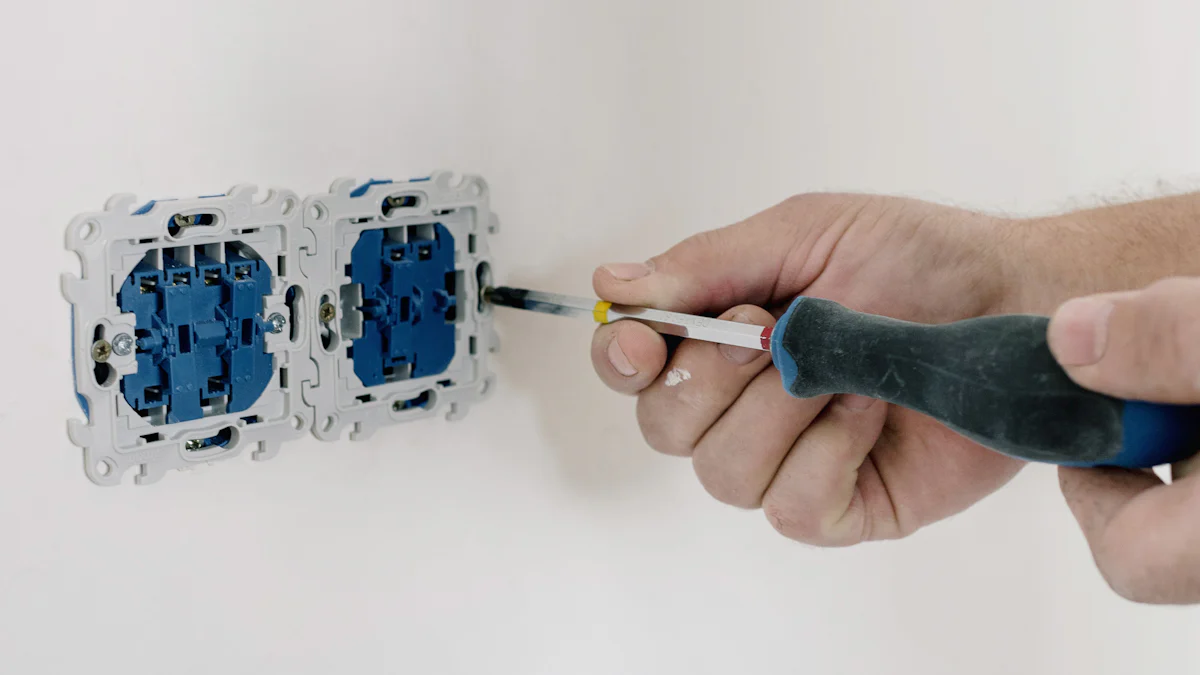
Replacing a breaker switch might seem intimidating, but it’s often simpler than you think. With the right tools and safety measures, you can handle this task yourself. A faulty breaker switch disrupts your electrical system and poses risks, so addressing it promptly is crucial. DIY replacements are budget-friendly, with standard switches costing as little as $10. However, electrical work carries inherent dangers, and professional help ensures safety. Understanding how much does it cost to replace a breaker switch helps you decide whether to tackle it yourself or hire an expert.
Key Takeaways
- Replacing a breaker switch can be a straightforward DIY task if you have the right tools and follow safety precautions.
- Always turn off the main power supply and use a voltage tester to ensure there are no live wires before starting any electrical work.
- Label wires and breakers during disassembly to avoid confusion when reconnecting them to the new breaker.
- Standard breaker switches are affordable, typically costing between $4 and $10, making DIY replacements budget-friendly.
- Consider hiring a professional if you’re dealing with complex electrical systems or if you’re unsure about your ability to safely complete the task.
- Ensure the replacement breaker matches your electrical panel’s specifications to avoid compatibility issues and potential hazards.
- Plan for potential additional costs, such as tools or upgrades to your electrical panel, to avoid surprises in your budget.
Tools and Safety Precautions
When replacing a breaker switch, having the right tools and following strict safety measures is essential. This ensures the process goes smoothly and minimizes risks.
Essential Tools for Replacing a Breaker Switch
To get started, you’ll need a few basic tools. These items are crucial for completing the job efficiently and safely:
Screwdrivers and Pliers
A flathead screwdriver and a Phillips screwdriver are must-haves. You’ll use these to remove the breaker panel cover and secure connections. A pair of pliers or wire strippers will help you handle wires and tighten connections properly.
Voltage Tester or Multimeter
Before touching any wires, use a voltage tester or multimeter to confirm there’s no live current. These tools are vital for checking electrical voltage and ensuring your safety throughout the process.
Replacement Breaker Switch
Make sure you purchase a replacement breaker switch that matches the specifications of your faulty one. Using the wrong type can lead to compatibility issues or even damage your electrical system.
Pro Tip: Keep painter’s tape or circuit breaker panel labels handy. Labeling wires and breakers helps you stay organized and prevents mistakes during reassembly.
Key Safety Precautions
Electrical work can be dangerous if you don’t take proper precautions. Follow these steps to protect yourself and your home.
Turn Off the Main Power Supply
Always start by shutting off the main power supply. Locate your home’s breaker panel and flip the main breaker to the “off” position. This step eliminates the risk of electric shock while you work.
Wear Insulated Gloves and Safety Goggles
Protective gear is non-negotiable. Wear insulated gloves to shield your hands from electrical currents. Add safety goggles to protect your eyes from sparks or debris.
Double-Check for Live Wires Using a Voltage Tester
Even after turning off the power, double-check for live wires. Use your voltage tester to confirm there’s no electricity flowing through the circuit. This extra step ensures your safety and gives you peace of mind.
Remember: Never rush through safety checks. Taking a few extra minutes to verify everything can prevent accidents and costly mistakes.
By gathering the right tools and prioritizing safety, you set yourself up for a successful breaker switch replacement. These precautions not only protect you but also ensure the job is done correctly.
Step-by-Step Guide to Replacing a Breaker Switch
Replacing a breaker switch may seem like a daunting task, but breaking it into manageable steps makes it much easier. Follow this guide to ensure a smooth and safe process.
Preparing for the Replacement
Preparation is key to a successful breaker switch replacement. Taking the time to get ready will save you from unnecessary stress later.
Identify the Faulty Breaker
Start by locating the breaker that’s causing issues. Look for signs like a breaker that won’t reset or one that trips frequently. If you’re unsure, test each breaker to pinpoint the faulty one. A voltage tester can help confirm which breaker isn’t functioning properly.
Pro Tip: Label the breakers in your panel if they aren’t already marked. This makes identifying and troubleshooting much easier in the future.
Gather All Necessary Tools and Equipment
Once you’ve identified the faulty breaker, gather everything you’ll need. This includes screwdrivers, pliers, a voltage tester, and the replacement breaker. Having all tools within reach ensures you won’t have to stop mid-task to search for something.
Expert Advice from Alpha Omega Electric: “Installing electrical circuit breakers requires careful attention to detail and adherence to best practices to ensure safety and effectiveness.” Double-check your tools and equipment before starting to avoid interruptions.
Removing the Faulty Breaker
With your tools ready, it’s time to remove the old breaker. This step requires caution to avoid accidents.
Turn Off the Main Power Supply
Safety comes first. Locate the main breaker in your panel and switch it off. This cuts power to your entire home, ensuring no electricity flows while you work. Never skip this step—it’s crucial for your safety.
Reminder: Use your voltage tester to confirm there’s no live current before touching any wires. Even with the main power off, double-checking adds an extra layer of safety.
Unscrew and Disconnect the Faulty Breaker
Carefully remove the panel cover using a screwdriver. Once the cover is off, locate the faulty breaker. Unscrew it and gently disconnect the wires attached to it. Take note of how the wires are connected, as you’ll need to replicate this setup with the new breaker.
Pro Tip: Use painter’s tape to label the wires as you disconnect them. This helps you stay organized and prevents confusion during installation.
Installing the New Breaker
Now that the old breaker is out, you’re ready to install the new one. This step requires precision to ensure everything works correctly.
Connect the Wires to the New Breaker
Take the replacement breaker and connect the wires exactly as they were on the old one. Tighten the screws securely to ensure a solid connection. Loose wires can cause malfunctions or even pose safety risks.
Expert Tip: Make sure the breaker you’re installing matches the specifications of your electrical panel. Using the wrong type can lead to compatibility issues or damage.
Secure the Breaker in Place and Test Functionality
Snap the new breaker into its slot in the panel. Ensure it’s firmly in place and doesn’t wiggle. Replace the panel cover and turn the main power supply back on. Test the new breaker by flipping it on and off to confirm it’s working properly.
Final Check: If the breaker trips immediately or doesn’t function as expected, double-check your connections. If the issue persists, consult a licensed electrician.
By following these steps, you can replace a breaker switch with confidence. Taking your time and paying attention to detail ensures the job is done safely and effectively.
How Much Does It Cost to Replace a Breaker Switch?
Understanding the costs involved in replacing a breaker switch helps you plan your budget and decide whether to handle it yourself or hire a professional. Let’s break down the expenses into three main categories: material costs, labor costs, and potential additional costs.
Material Costs
The cost of materials depends on the type of breaker switch you need and whether you already own the necessary tools.
Price Range for Breaker Switches
Breaker switches come in a variety of types, and their prices reflect this. Standard breaker switches are the most affordable, costing as little as $4 to $10. If your system requires specialized breakers, such as AFCI (Arc Fault Circuit Interrupter) or GFCI (Ground Fault Circuit Interrupter), expect to pay around $40 or more. These specialized breakers provide added safety features, which explains their higher price.
Quick Tip: Always check your electrical panel’s specifications before purchasing a replacement breaker. Using the wrong type can lead to compatibility issues or even damage your system.
Additional Costs for Tools (If Not Already Owned)
If you’re tackling this as a DIY project, you’ll need tools like screwdrivers, pliers, and a voltage tester. Most households already have these items, but if you don’t, purchasing them could add $20 to $50 to your total cost. A voltage tester or multimeter is especially important for ensuring safety, and it typically costs between $10 and $30.
Pro Tip: Investing in quality tools pays off in the long run, especially if you plan to handle other electrical repairs in the future.
Labor Costs
Hiring a professional electrician increases the overall cost, but it also ensures the job is done safely and correctly.
Average Hourly Rates for Electricians
Electricians charge an average of $150 to $600 per hour, depending on your location and the complexity of the job. For a straightforward breaker switch replacement, the total labor cost usually falls between $100 and $200, including parts. This makes professional help a good option if you’re unsure about handling electrical work yourself.
Factors Influencing Labor Costs
Several factors can affect how much you’ll pay for labor. If your electrical panel is outdated or difficult to access, the job may take longer, increasing the cost. Electricians may also charge more for emergency services or work done outside regular business hours.
Did You Know? Professional electricians often include a warranty for their work, giving you peace of mind in case something goes wrong later.
Potential Additional Costs
Sometimes, replacing a breaker switch uncovers other issues that need attention. These additional costs can significantly impact your budget.
Upgrading the Electrical Panel
If your electrical panel is old or incompatible with modern breaker switches, you may need an upgrade. This can cost anywhere from $800 to $10,000, depending on the size and complexity of the panel. While this is a significant expense, upgrading ensures your home’s electrical system meets current safety standards.
Addressing Underlying Electrical Issues
A faulty breaker switch might be a symptom of a larger problem, such as damaged wiring or overloaded circuits. Fixing these issues can add $100 to $500 to your total cost, depending on the extent of the repairs needed.
Expert Advice: If you suspect underlying issues, consult a licensed electrician. Ignoring these problems can lead to more expensive repairs down the line.
By understanding how much does it cost to replace a breaker switch, you can make an informed decision about whether to DIY or hire a professional. DIY replacements are budget-friendly, with costs as low as $5 to $20 for the switch itself. Professional services, while more expensive, offer the benefit of expertise and safety. Keep in mind potential additional costs, especially if your electrical system requires upgrades or repairs. Planning ahead ensures you’re prepared for any scenario.
When to Seek Professional Help
Sometimes, replacing a breaker switch goes beyond a simple DIY project. Knowing when to call a professional can save you time, money, and potential safety risks. Let’s explore the scenarios where hiring an electrician becomes essential and the benefits of professional assistance.
Scenarios Requiring an Electrician
Certain situations demand the expertise of a licensed electrician. Attempting to handle these on your own could lead to complications or even hazards.
Complex Electrical Systems or Outdated Panels
If your home has an older electrical panel or a complex system, replacing a breaker switch becomes more challenging. Older panels may not support modern breaker switches, and compatibility issues can arise. Complex systems often involve intricate wiring that requires specialized knowledge to navigate safely.
Expert Insight from Alpha Omega Electric: “Electrical work can be complex and potentially hazardous. Improper installation can lead to safety hazards and code violations. A licensed electrician ensures safe installation according to industry standards.”
Lack of Confidence or Experience with Electrical Work
Feeling unsure about handling electrical repairs is a valid reason to seek help. Electrical work requires precision and confidence. If you’re unfamiliar with wiring configurations or safety protocols, it’s better to leave the task to a professional. Mistakes can lead to costly repairs or even dangerous situations.
Pro Tip: Trust your instincts. If you feel overwhelmed or uncertain, calling an electrician is the safest choice.
Benefits of Hiring a Professional
Hiring a professional electrician offers several advantages that go beyond just completing the job.
Ensures Safety and Compliance with Local Codes
Electricians have the training and experience to handle electrical work safely. They follow strict safety standards and ensure compliance with local building codes. This reduces the risk of accidents and ensures your home’s electrical system remains up to standard.
Did You Know? Many electricians provide warranties for their work, giving you peace of mind in case issues arise later.
Saves Time and Reduces the Risk of Errors
A professional can complete the job quickly and efficiently. Their expertise minimizes the chances of errors that could lead to malfunctions or additional repairs. While DIY projects can be rewarding, they often take longer and come with a learning curve.
Expert Advice from Momentum Electric: “By understanding the critical functions of a breaker switch and maintaining a focus on safety, many homeowners have successfully completed this project. However, professional assistance ensures the task is done right the first time.”
Knowing when to seek professional help is crucial for ensuring safety and efficiency. Whether you’re dealing with a complex system, an outdated panel, or simply lack confidence, an electrician can provide the expertise needed to get the job done right. Prioritizing safety and compliance with local codes protects your home and gives you peace of mind.
FAQs About Replacing a Breaker Switch
Is it safe to replace a breaker switch on my own?
Yes, replacing a breaker switch on your own can be safe if you follow the proper steps and prioritize safety. Start by turning off the main power supply to eliminate the risk of electric shock. Use a voltage tester to confirm there’s no live current in the panel before touching any wires. Gather the right tools, such as screwdrivers, pliers, and insulated gloves, to ensure you’re prepared for the task.
However, working with electrical panels can be dangerous if you lack experience. Licensed electricians emphasize the importance of understanding the critical functions of a breaker switch and following a systematic approach. If you feel unsure or overwhelmed, it’s better to consult a professional. They have the expertise to handle the job safely and ensure compliance with local electrical codes.
Quick Tip: If your electrical panel is outdated or you’re dealing with complex wiring, hiring an electrician is the safest option.
How long does it take to replace a breaker switch?
Replacing a breaker switch typically takes about 30 minutes to an hour for someone familiar with the process. The time depends on factors like your experience level and the complexity of your electrical panel. For a straightforward replacement, the steps include identifying the faulty breaker, turning off the power, removing the old breaker, and installing the new one.
If you’re new to electrical work, you might need extra time to double-check each step and ensure everything is done correctly. Qualified electricians recommend taking your time to avoid mistakes. Rushing through the process can lead to errors or safety hazards.
Pro Tip: Labeling wires and breakers before starting can save time and make reassembly easier.
Why do costs vary so much for this type of repair?
The cost of replacing a breaker switch can vary widely due to several factors. If you choose to handle the replacement yourself, the cost is limited to materials and tools. Standard breaker switches cost between $4 and $10, while specialized ones like AFCI or GFCI breakers can cost around $40 or more. If you don’t already own tools like a voltage tester or pliers, you may need to spend an additional $20 to $50.
Hiring a professional increases the cost but ensures safety and accuracy. Electricians charge an average of $150 to $600 per hour, depending on your location and the job’s complexity. For a simple breaker replacement, the total cost usually falls between $100 and $200. However, if your electrical panel requires upgrades or you uncover underlying issues, the expenses can rise significantly. Upgrading an outdated panel can cost anywhere from $800 to $10,000.
Did You Know? Understanding how much does it cost to replace a breaker switch helps you decide whether to DIY or hire a professional. Planning ahead ensures you’re prepared for any unexpected expenses.
Can I use any breaker switch, or does it need to match my panel?
No, you can’t use just any breaker switch. It’s crucial to ensure the breaker switch matches your electrical panel. Using an incompatible breaker can lead to serious issues, including electrical malfunctions or even safety hazards. Let’s break down why compatibility matters and how to choose the right breaker for your panel.
Why Compatibility Is Important
Breaker switches are designed to work with specific panel brands and models. Each panel has unique specifications, such as size, amperage, and connection type. Installing a breaker that doesn’t align with these specifications can cause improper functioning or damage to your electrical system.
Licensed Electrician Insight: “Ensuring the new breaker is compatible with your panel is critical. It prevents potential hazards and ensures the system operates safely and efficiently.”
Incompatible breakers may not fit securely into the panel, leading to loose connections. Loose connections can cause overheating, which increases the risk of electrical fires. Additionally, mismatched breakers might not trip correctly during an overload, leaving your home vulnerable to electrical damage.
How to Choose the Right Breaker
To find the correct breaker switch, start by identifying your panel’s brand and model. This information is usually printed on the inside of the panel door or on a label near the breakers. Once you have this, follow these steps:
- Check the Amperage Rating
Match the amperage rating of the new breaker to the one you’re replacing. Common ratings include 15, 20, and 30 amps. Using a breaker with the wrong amperage can lead to circuit overloads or insufficient protection. - Verify the Breaker Type
Determine whether your panel requires standard breakers, AFCI (Arc Fault Circuit Interrupter), or GFCI (Ground Fault Circuit Interrupter) breakers. Specialized breakers provide additional safety features, such as preventing electrical fires or protecting against ground faults. - Consult the Panel Manufacturer
Refer to the manufacturer’s guidelines or manual for a list of compatible breakers. Many manufacturers recommend specific breaker models to ensure proper fit and performance. - Seek Professional Advice
If you’re unsure about compatibility, consult a licensed electrician. They can help you identify the right breaker and ensure it’s installed correctly.
Pro Tip: Always bring the old breaker with you when shopping for a replacement. This makes it easier to compare sizes and specifications.
The Risks of Using the Wrong Breaker
Using the wrong breaker isn’t just inconvenient—it’s dangerous. An improperly matched breaker can fail to protect your home during electrical surges or faults. This increases the risk of damage to appliances, wiring, and even your entire electrical system.
Qualified Electrician Advice: “Improper installation or using the wrong breaker can lead to safety hazards and code violations. Always double-check compatibility to avoid costly mistakes.”
Final Thoughts
Choosing the right breaker switch for your panel is non-negotiable. It ensures your electrical system operates safely and efficiently. Take the time to verify compatibility by checking your panel’s specifications, consulting the manufacturer, or seeking professional guidance. When in doubt, don’t hesitate to call an electrician. Their expertise can save you time, money, and potential safety risks.
Replacing a breaker switch doesn’t have to feel overwhelming. By following the right steps and prioritizing safety, you can handle this task confidently. Knowing how much does it cost to replace a breaker switch helps you decide whether to take the DIY route or hire a professional. If you’re unsure or dealing with an outdated electrical panel, don’t hesitate to call an electrician. Always ensure compatibility by matching the breaker to your panel and double-checking wiring connections. Safety and compliance with local codes should always come first for a successful replacement.


