


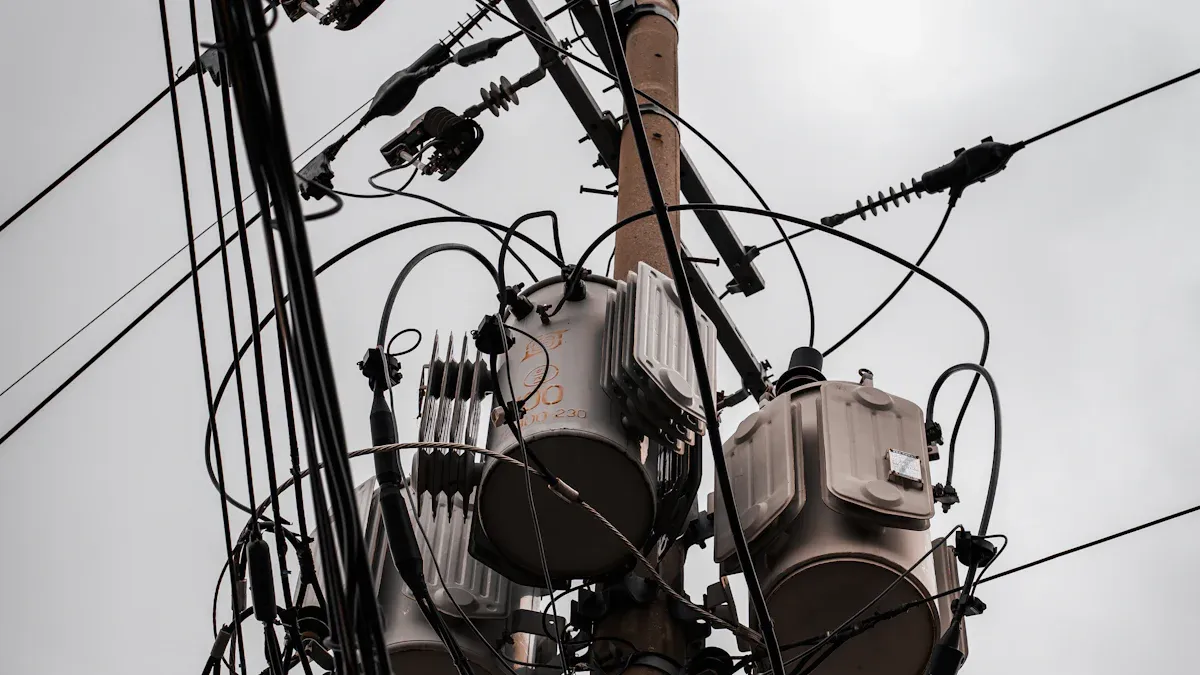
Choosing the right Power Pole fittings is very important. These parts keep the pole strong and prevent damage over time. When picking fittings, check if they are strong and match your setup. Weather and weight also affect how well these parts work. Using bad fittings can cause breaks and expensive fixes. Good quality and proper fit make your power system safer and work better.
Key Takeaways
- Pick strong materials like steel or coated steel for fittings. These materials don’t rust easily and stay strong longer.
- Always check how much weight the fittings can hold. Choose ones that can carry more weight than needed to avoid accidents.
- Think about the environment when choosing fittings. Use rust-proof ones in wet places and tough ones in very hot or cold areas.
- Make sure the fittings match your power pole’s size and material. Wrong fittings can make the system weak and cost a lot to fix.
- Check fittings often for damage or wear. Finding problems early can save money and keep things safe.
Types of Power Pole Fittings
Insulator Pins
Insulator pins are key parts of power pole systems. They hold insulators to cross arms, keeping them steady and aligned. These pins must handle heavy stress and electrical loads. The material used affects how well they work. Steel and iron are popular because they are strong and last long.
Different insulators, like porcelain and composite, fail at different rates. For example:
| Insulator Type | Failure Rate Details |
| Porcelain Cap & Pin Insulators | High puncture rates each year, showing lower quality. |
| Toughened Glass Insulators | Better failure rates than porcelain but lack full reliability data. |
| Composite Insulators | Fail about 10^-4 per year, with newer designs expected to improve. |
When picking insulator pins, think about the insulator type and weather. This helps ensure the pins can handle stress and last longer.
Cross Arms
Cross arms are horizontal bars that hold wires on poles. They spread the wire’s weight and keep them spaced apart. The material of cross arms affects how well they work. Wood and fiberglass are the most common choices.
Here are some durability findings:
- Fiberglass cross arms failed in under six minutes during fire tests with a 300 lbs. load.
- Wood cross arms burned but stayed strong, holding the same load for 30 minutes.
- In 2024, another fiberglass brand failed in less than four minutes under similar conditions.
Wood cross arms are better in fire-prone areas since they last longer in fires. Fiberglass cross arms are lighter and resist rot, making them useful in some places.
Brackets and Clamps
Brackets and clamps are crucial for holding power pole parts together. They secure wires, cross arms, and other hardware, keeping the system stable. Good brackets and clamps improve safety, reliability, and lifespan.
Benefits of high-quality brackets and clamps include:
- Better reliability: Strong materials handle tough weather and stress.
- Improved safety: Good design prevents falling wires or pole damage.
- Longer lifespan: Durable parts mean fewer replacements and lower costs.
Quality checks are very important for these parts. For example:
| Quality Check Area | Details |
| Dimension/Drilling | Steel parts are shaped and drilled to match exact designs. |
| Galvanizing | Steel is coated with zinc to prevent rust, following strict standards. |
| Welding | Welding meets rules to ensure strength and safety. |
Choose brackets and clamps with strict quality checks. This ensures they can handle tough conditions and last a long time.
Anchors and Guy Wires
Anchors and guy wires keep power poles steady. Anchors hold the pole base to the ground. Guy wires stop the pole from tipping or falling. Together, they help poles stay upright in tough conditions.
When picking anchors, think about the soil type:
- Rocky soil needs wedge or rock anchors for strong support.
- Sandy soil works best with screw anchors that dig deep.
- Clay soil uses plate anchors to spread the weight evenly.
Guy wires should be made of strong materials like galvanized steel. This helps them handle tension and avoid rust. Install them correctly by tightening to the right level and angling them properly for stability.
Tip: Check anchors and guy wires often for rust or damage. Fixing problems early can save money and prevent accidents.
Compression Fittings and Quick Disconnect Fittings
Compression fittings and quick disconnect fittings connect electrical parts on power poles. These fittings make sure connections are safe and reliable.
Compression fittings squeeze the conductor tightly to seal it. They work well if installed correctly. Loose or wrong installation can cause them to fail. Studies show:
- Loose or bad installation leads to failures.
- Compression fittings may fail more over time than set screw fittings.
Quick disconnect fittings are easy to use. They let you connect or remove parts quickly without special tools. They’re great for areas needing frequent changes. Make sure they fit your system to avoid problems.
Choose high-quality fittings for fewer failures and longer use. Follow the maker’s instructions for setup and care to get the best results.
Note: Use compression fittings for permanent setups. Quick disconnect fittings work better for temporary or adjustable systems.
Factors to Think About When Picking Power Pole Fittings
Material Strength and Longevity
The material of a fitting decides how strong it is. Pick materials that can handle stress and tough conditions. Steel and galvanized steel are common because they are strong and resist rust. Aluminum is lighter but not as strong as steel in heavy-use areas.
Check for good manufacturing when choosing materials. For example:
- Galvanized coatings stop rust. Make sure the coating is smooth and meets standards.
- Welding quality should be neat, with no cracks or weak spots.
- Load testing shows how much weight the fitting can hold safely.
Tip: Choose strong materials over cheap ones. Weak materials may cost less now but need replacing often.
Fit with Power Poles
Not all fittings work with every power pole type. Make sure the fittings match your pole’s size, shape, and material. For example, wooden poles may need different clamps than steel poles.
Check your pole system’s details before buying fittings. Important things to check include:
- Pole size and height: Fittings should fit tightly without gaps.
- Pole material: Some fittings are made for wood, others for metal or composite poles.
- Weight limits: Ensure fittings can hold the wires and other parts safely.
Using the wrong fittings can weaken the system. This increases the chance of accidents or damage.
Note: If unsure, ask the maker or an expert to avoid mistakes.
Weather and Environmental Effects
Weather affects how well Power Pole fittings work. Rain, snow, or heat can wear them out. Coastal areas have salty air, which causes rust faster.
Pick fittings that suit your environment. Think about:
- Rust resistance: Galvanized or stainless steel works best in wet or coastal places.
- Heat and cold: Fiberglass or composite materials handle extreme temperatures better.
- Wind strength: In windy areas, use fittings that can hold more weight.
Check fittings often for weather damage. Replace worn parts quickly to keep the system safe and stable.
Reminder: Always think about your local weather when choosing fittings. This helps them last longer and need less fixing.
Load Capacity and Safety Standards
Knowing load capacity and safety rules is very important. These help keep power poles strong and safe, even in tough conditions. Ignoring these can cause breaks, accidents, or costly fixes.
Why Load Capacity Matters
Load capacity means the most weight or force a fitting can handle. Each fitting, like insulator pins or cross arms, has a limit. Going over this limit can damage or break the fitting. For example:
- Insulator pins hold insulators and wires while handling wind and tension.
- Cross arms carry wires and spread their weight evenly.
To pick the right load capacity, add up all the weight and forces. Think about wire tension, wind, ice, or snow. Always choose fittings with higher limits than needed for extra safety.
Meeting Safety Standards
Safety rules make sure fittings are strong and reliable. Groups like ANSI and IEC set these rules. Certified fittings are tested for strength and quality.
Look for labels showing fittings meet safety rules. For example:
| Certification Body | What It Ensures |
| ANSI | Checks strength and weight limits. |
| IEC | Tests electrical safety and weather resistance. |
| ASTM | Confirms material quality like rust resistance and strength. |
Certified fittings lower the chance of problems and keep systems safe.
Tips for Ensuring Safety
Follow these tips to stay safe:
- Read Manufacturer Info: Check load limits and safety details from the maker.
- Inspect Often: Look for rust, damage, or bending. Replace bad parts fast.
- Don’t Overload: Never go over the fitting’s weight limit.
- Ask Experts: If unsure, get advice from a professional.
Reminder: Safety matters most. Spending more on good fittings now can save money and prevent problems later.
Evaluating the Quality of Power Pole Fittings
Look for Industry Certifications
Industry certifications prove Power Pole fittings meet safety and performance rules. Check for certifications from groups like IEC, IEEE, and ASTM. These show fittings passed tough tests for strength, weight limits, and electrical safety.
For example:
- IEC 61000-4-30 Class A checks power quality measurement methods.
- EN 50160 ensures fittings work well in different setups.
Here’s a summary of key standards:
| Standard | What It Covers |
| IEC 61000-4-30 Class A | Power quality testing methods |
| EN 50160 | Reliability in various applications |
| IEEE 519 | Harmonics over short and very short times |
| IEC 62586-1, IEC 62586-2 | Power quality metrics for PQI-A-PI devices |
| IEEE 1459 | Standards for measuring power quality |
Certified fittings give better accuracy and flexible reporting options. Always pick fittings with certifications for safety and long-term use.
Research Trusted Manufacturers
Buying from trusted makers lowers the chance of bad fittings. Reliable brands follow strict rules and use strong materials. Check reviews, awards, and if they meet global standards.
Good manufacturers meet tough rules like IEC 61000-4-30 Class A. For instance, the EPM 9900P fitting offers flexible reports and meets EN 50160 standards. This makes it useful for many setups.
Look for makers offering warranties and clear product details. This shows they care about quality. Trusted brands also give expert help to pick the right fittings for your needs.
Inspect for Defects or Weaknesses
Regular checks find problems in Power Pole fittings before they get worse. Look for rust, cracks, or bad installation. Follow rules from IRC and NEC for safe inspections.
Important things to check include:
- AC Breaker Size: Make sure ratings match equipment needs.
- Circuit Labels: Confirm all circuits are marked clearly.
- Contamination: Remove dirt or materials that could harm parts.
- Old Aluminum Wiring: Report wiring made before 1972 for safety risks.
- Overhead Lines: Check poles and wires for damage often.
Frequent checks prevent accidents and keep fittings working longer. Fixing problems early saves money and keeps the system safe.
Seek Advice from Experts
Getting help from experts can save time and money. Professionals know a lot about Power Pole fittings and can guide you well. They help you pick the best options for your needs. Their advice also helps you avoid mistakes and meet safety rules.
Experts check important things to ensure fittings are reliable. These checks find problems that could make the system unsafe. Here’s what they usually look for:
| Checkpoint | What It Means |
| Leaking Grease | Grease leaks can weaken electrical parts and cause failures. |
| Dirt or Damage | Dirt or cracks lower insulation, risking flashovers in wet weather. |
| Mold Issues | Mold is rare but can discolor and slightly harm fittings. |
| Burn Marks | Burn marks from tracking are dangerous and may cause flashovers. |
| Vandalism Damage | Hidden damage, like gunshots, can lead to failures in polymer insulators. |
| Exposed Rods | Exposed rods need replacing to avoid accidents. |
| Overloading | Overloading shows the design might need fixing. |
| Water Resistance | Better hydrophobicity stops water from causing electrical problems. |
| Inspection Reports | Reports help plan fixes and get funding for repairs. |
| Design Updates | New designs fix old flaws for better performance. |
| Extra Testing | Extra tests solve unclear issues effectively. |
Tip: Share details like pole material, weather, and load needs with experts. This helps them give better advice.
Experts also keep you updated on new industry rules. They suggest fittings that meet standards like ANSI or IEC. This ensures safety and durability. They can also explain inspection reports and recommend fixes if needed.
By asking experts for help, you make smarter choices. This improves the safety and lifespan of your power pole system. Always reach out to trusted professionals for advice.
Common Mistakes to Avoid
Ignoring Load Capacity Requirements
Not checking load capacity can cause big problems. Each fitting has a weight limit it can handle. Going over this limit makes the fitting weak and more likely to fail. For example, insulator pins and cross arms must hold wires and handle wind or ice.
To prevent this, figure out the total weight your system will carry. Include things like wire tension, weather effects, and extra stress from repairs. Pick fittings with a higher load capacity than your estimate for safety.
Tip: Check your fittings often for bending or cracks. Replace damaged parts quickly to avoid accidents.
Overlooking Environmental Factors
Weather affects how well Power Pole fittings work. Rain, snow, and heat can wear them out. Salty air in coastal areas causes rust faster. Strong winds add stress to fittings.
Pick materials that match your local weather. Use galvanized or stainless steel in wet or coastal areas to stop rust. Fiberglass or composite materials work better in very hot or cold places. Regular checks help find weather damage early.
Reminder: Think about your local weather when choosing fittings. This helps them last longer and need fewer repairs.
Choosing Incompatible Materials
Using materials that don’t work well together can cause problems. For example, bad concrete setting can weaken structures. Temperature changes make these issues worse and harder to predict.
To avoid this, test materials to ensure they work together. Field tests can show if materials are a good match. A plan for testing materials in your area can help confirm their performance.
- Problems caused by bad material choices include:
- Weak structures from poor material combinations.
- Higher costs due to frequent repairs.
- Shorter lifespan of fittings in tough weather.
Note: Ask experts or makers to check material compatibility. This keeps your system safe and working well.
Focusing Only on Price Instead of Quality
Picking Power Pole fittings just because they are cheap might seem smart. But this choice often causes more trouble than it solves. Cheap fittings usually don’t last long or work well over time. They can break under pressure, leading to costly fixes or even dangerous accidents.
Low-cost fittings are often made with weak materials. For instance, a cheap insulator pin might rust quickly or snap under heavy weight. This could damage your power system and need frequent repairs. On the other hand, high-quality fittings cost more upfront but last longer and handle tough conditions better.
Tip: Think of fittings as a smart buy. Spending more now can save you money later.
Here are problems with choosing only based on price:
- Shorter Life: Cheap parts wear out faster, especially in bad weather.
- More Repairs: You’ll spend more fixing or replacing them often.
- Safety Risks: Poor-quality parts can fail suddenly, causing harm or damage.
To avoid these problems, focus on quality instead of price. Look for fittings with certifications from groups like ANSI or IEC. These prove the fittings meet safety and performance rules. Also, buy from trusted brands known for making strong, reliable parts. Good brands often offer warranties, giving you confidence in your choice.
Reminder: A low price might look good, but it often hides extra costs. Always think about how quality saves money in the long run.
By choosing quality, your power pole system stays safe, works well, and lasts longer. This protects your investment and lowers the chance of sudden failures.
Knowing about Power Pole fittings helps you choose wisely. Each fitting has a job, so understanding their uses is important. Picking strong materials that match your system makes them last longer. Weather and soil also affect how well they work.
Make a checklist to check safety, weight limits, and weather needs. This keeps your system safe and working well for a long time.
FAQ
What are Power Pole fittings, and why are they important?
Power Pole fittings connect and support parts of power poles. They keep the system stable, safe, and working well. Using good fittings stops accidents, lowers repair costs, and makes the system last longer.
How do I know if a fitting is compatible with my power pole?
Check the fitting’s size, material, and weight limit. Make sure it fits your pole’s height and type. If you’re unsure, ask the maker or an expert for help.
What materials are best for Power Pole fittings?
Steel and galvanized steel are strong and resist rust. These are great for most places. Aluminum is lighter but not as strong. Fiberglass and composite materials work well in very hot or cold areas or where rust is common.
How often should I inspect Power Pole fittings?
Check fittings at least once every year. Look for cracks, rust, or other damage. In bad weather areas, check more often to avoid problems and stay safe.
Can I install Power Pole fittings myself?
It’s better to hire a professional to install them. Doing it wrong can make the system weak and unsafe. Experts make sure fittings are secure and meet safety rules.
Tip: Always ask experts for help with setup and repairs to stay safe.


