


You see Power Pole fittings when you look at a utility pole. These small but strong parts hold wires, cables, and other electrical things in place. Power Pole fittings keep everything safe and stop damage from wind or heavy things. When you pick the right fitting, you help keep the electrical system safe and working well for your community.
Key Takeaways
- Power Pole fittings help keep wires and cables in place on poles. They stop wind from causing harm and keep electricity moving safely.
- Picking the right size and material for fittings is important. It stops leaks and makes the electrical system safer and last longer.
- Checking and fixing Power Pole fittings often can stop power loss and save money on repairs. Look for damage, rust, or loose parts at least once a year.
- There are different fittings, like compression and quick disconnect. Each type has its own job. Use the right one to work safely and well.
- Safety parts, like good grounding and regular checks by technicians, are very important. They keep workers and people safe from electrical dangers.
What Are Power Pole Fittings
Definition and Main Functions
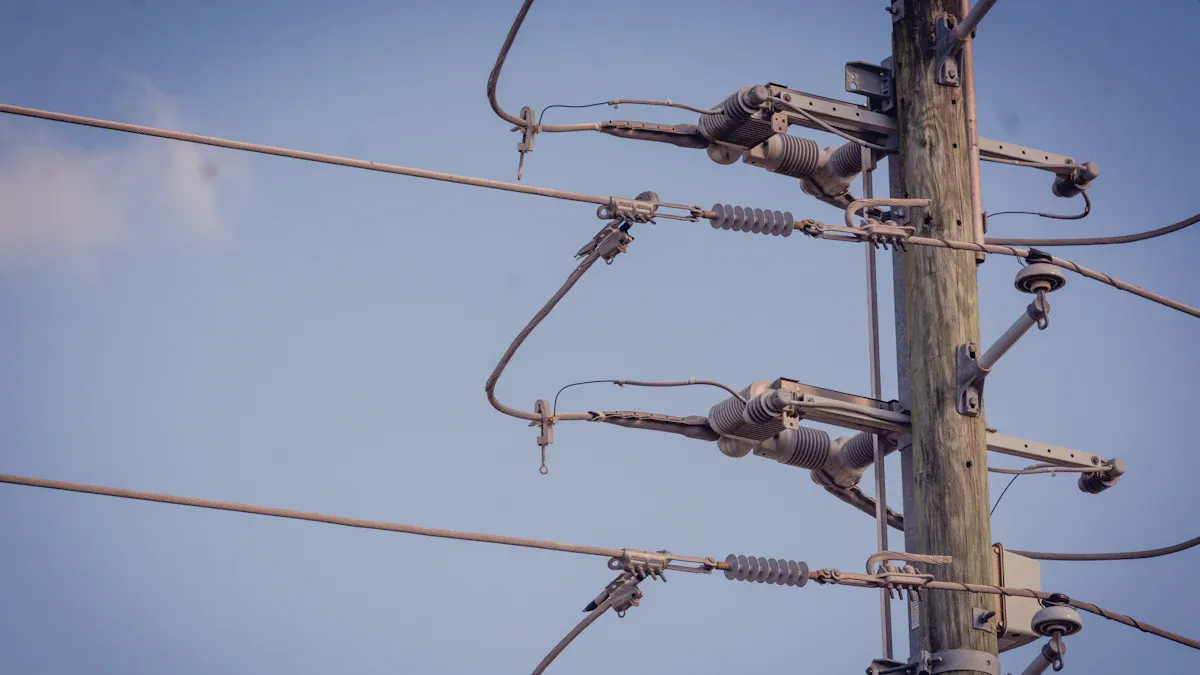
Power Pole fittings are found on utility poles. They are important for electrical and telecommunication systems. These fittings hold power lines and cables in place. They stop wires from moving or breaking. You need them to keep everything steady.
Power Pole fittings help keep the system safe and working well. They make sure electricity flows without stopping.
Here are the main jobs of Power Pole fittings:
- Hold wires tightly to poles or towers.
- Keep conductors in the right spot for good electricity flow.
- Spread out weight to lower stress on cables and stop breaks.
- Make power lines safer and stronger.
- Help cables stay put during wind and storms.
- Connect different parts of powerlines together.
Importance in Electrical Systems
Power Pole fittings help keep electrical systems safe. They stop outages and protect people from electrical dangers. Using the right fitting lowers the chance of sparks, fires, or shocks. Good insulation keeps you safe from short circuits.
Bad or weak fittings can cause problems, failures, and cost more money. You should pick fittings that match the system and use strong materials to avoid issues.
Pole reclosers and other tools work with Power Pole fittings. They help find problems fast and cut down outage times. You get better results and fewer problems when you use and care for the right fittings. Knowing why they matter helps keep your electrical system safe and working well.
How Power Pole Fittings Work
Mechanics and Load Distribution
Power Pole fittings work hard every day. These parts hold wires and cables tight to the pole. They spread out the weight so one spot does not get too much pressure. When wind blows or ice forms, fittings keep things steady. Metal brackets, clamps, and insulators give strong support. Each fitting connects to the pole to balance the load. This balance stops wires from sagging or snapping.
Some fittings grip the wire by squeezing it. Others use push or quick disconnect designs for easy changes. You can find fittings for different tubing sizes, like 1/4 inch or 5/16 inch. Using the right fitting for the right wire makes the system safer. It also helps the pole last longer.
Safety Features
Safety is very important with Power Pole fittings. New fittings have features to protect you and your community. Regular inspections help find problems early. Technicians check if poles are stable to stop leaning or falling in storms. They look at electrical parts like transformers and insulators to find faults before trouble starts. Repairs and replacements happen fast to prevent accidents.
Here is a table showing key safety features:
| Safety Feature | Description |
| Regular Inspections | Needed to find and fix risks to public safety. |
| Assessment of Pole Stability | Checks for leaning or unstable poles during bad weather. |
| Electrical Component Assessment | Looks at connections, transformers, and insulators for problems. |
| Timely Repairs and Replacements | Fixes broken equipment quickly to stop accidents. |
You also see these safety steps:
- Only trained and certified technicians do replacement work.
- Good grounding and insulation stop electrical contacts.
- Fall protection keeps workers safe from heights.
- Traffic control keeps workers and the public safe during work.
- Public awareness campaigns teach people to stay away from work zones.
Following these steps and using the right Power Pole fittings helps keep everyone safe.
Types of Power Pole Fittings
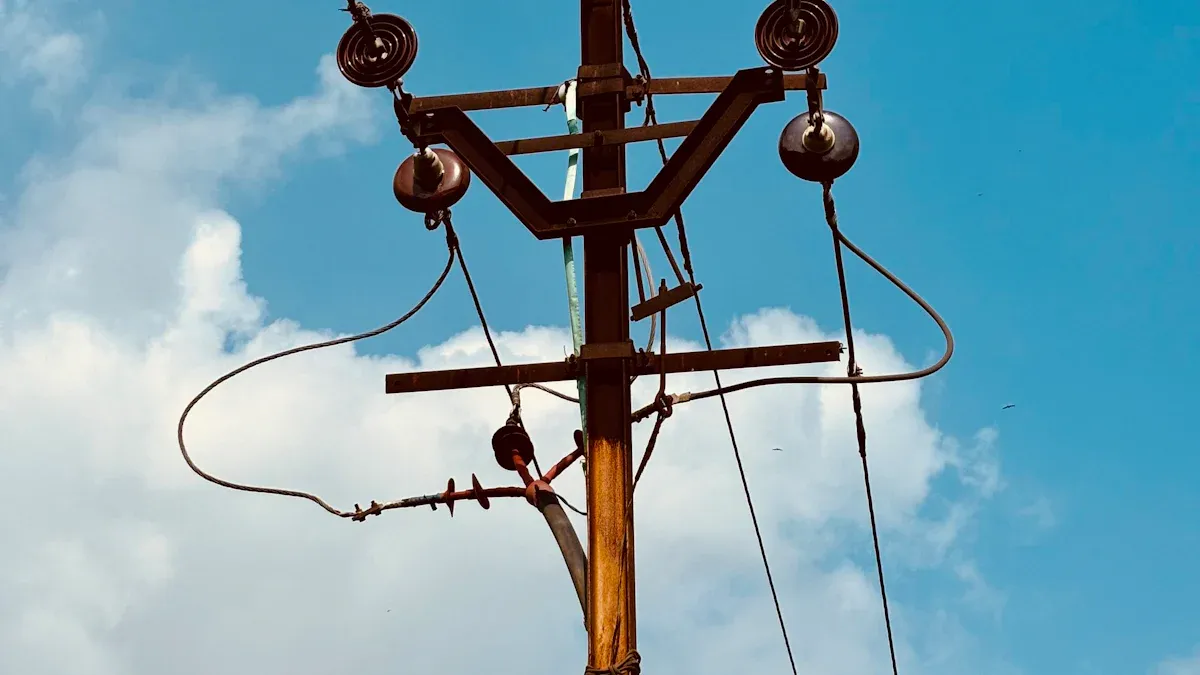
There are many kinds of Power Pole fittings on utility poles. Each kind does a special job. Choosing the right fitting keeps your system safe and strong. Here are the main types and how you use them.
Compression and Push Fittings
Compression fittings use pressure to hold wires or tubes. You put the wire in and tighten the fitting. This squeezes the wire and makes it stay. Push fittings work in another way. You push the wire in until it clicks. The fitting grabs the wire and holds it tight.
These fittings fit different tubing sizes. The most common sizes are 1/4 inch and 5/16 inch. Always match the fitting to the tubing size. If you use the wrong size, it may not hold. Ferrules are small rings that help seal the fitting. You put ferrules inside compression fittings to stop leaks and keep wires in place.
Use cases for compression and push fittings:
- Connect power lines to poles
- Join two wires or tubes
- Make quick repairs in the field
Tip: Always check the size and type before you put in a fitting. This keeps your system safe and working well.
Quick Disconnect and 90° Fittings
Quick disconnect fittings let you connect and disconnect wires fast. You do not need special tools. This saves time when you fix or upgrade things. 90° fittings change the direction of a wire or hose. You use them when space is tight or you need to go around corners.
Here is a table with the main advantages of quick disconnect and 90° fittings:
| Advantage | Description |
| Quick Connection and Disconnection | Lets you connect and disconnect hoses fast and easy. |
| Minimizes Leakage | Helps stop leaks from hoses, which is good for the environment. |
| Versatile Applications | Works in many places like construction, farms, and machines. |
| Material Variety | Comes in plastic, brass, or steel for different jobs. |
| Cost-Effective | Saves money and is safe for tools that need many changes. |
These fittings make your work easier. They help stop leaks and save time when you test or fix things. You can use them in many places, like building sites or farms.
- Makes connecting and disconnecting simple
- Stops fluid leaks
- Saves time when testing or fixing things
Note: Always pick the right material for your fitting. Plastic, brass, and steel work best for different jobs.
Brackets, Insulators, and Accessories
Brackets, insulators, and other accessories hold everything on a utility pole. Brackets support cross arms, conductors, or insulators. They keep these parts steady, even in strong wind. Insulators stop electricity from jumping between wires or to the pole. This keeps your system safe and stops short circuits.
Here is a table showing how some parts help with stability:
| Component | Role in Stability |
| Pole Top Bracket | Supports cross arms, conductors, or insulators so they can hold weight. |
| Pole Band | Attaches racks to poles and supports extra fittings to keep the pole strong. |
Mounting brackets and anchor parts are important too. They use strong materials like aircraft-grade aluminum or stainless steel. These materials do not rust and last a long time, even in bad weather. Some brackets have extra bracing for more strength. Many have special coatings to stop rust, which helps near the ocean or in wet places.
| Feature | Description |
| Material | Uses strong aluminum or stainless steel for long life. |
| Coating | Has four layers of powder coating to stop rust, good for wet places. |
| Bracing | Extra brace makes it stronger when holding big anchors. |
| Compatibility | Fits well with different adapter plates for a secure hold. |
You may also use hydraulic hoses, mounting brackets, and anchor parts as accessories. These parts help you put in and take care of Power Pole fittings. They help your system stay strong and safe for a long time.
Remember: Insulators are very important for safety. They stop short circuits and keep your utility pole safe.
Choosing and Maintaining Fittings
Selection Factors (Material, Compatibility, Environment)
You need to choose the right fitting for your utility pole. The material of the fitting matters most. Some materials work better in certain places. Here is a table to help you pick the best material for your area:
| Material Type | Key Properties | Ideal Conditions |
| Ductile Iron | Strong and flexible; stands up to storms | Good for stormy areas; keeps poles safe |
| Concrete | Fire and pest resistant; does not rot | Best for places with wildfires or bad weather |
| Wood | Can rot in wet places; breaks down in humidity | Use in dry climates; avoid in wet areas |
| Steel | Can rust; needs coating in salty or wet places | Great for storms; coat for salty or wet environments |
You must match the fitting to the tubing size. Common sizes are 1/4″, 5/16″, and 3/8″. If you use the wrong size, you risk leaks and safety problems. The right size gives you a strong, leak-free connection. This helps your hydraulic anchor system work well. Always check the material quality and make sure it resists corrosion, especially if you work near water or in harsh weather.
Tip: Pick fittings that match your system and local weather. This keeps your power lines safe and working longer.
Installation Tips
You need to follow good steps when installing fittings. Always get the right permits and approvals before you start. Hire electricians who know the rules in your area. Use a measuring tape to set the right distance between anchors. Gather all your tools before you begin. Attach guy wires firmly at both the pole and anchor points. Make sure the cables are tight but not too tight. Use tensioning devices if you need to adjust later.
After you finish, check all connections. Look for loose bolts or wires. Test for safety and make sure everything meets standards. If you work in a place with storms, inspect more often.
Here are common mistakes you should avoid:
- Leaning or fallen poles from poor installation
- Slack wires that can shock or start fires
- Powerlines that touch and spark
- Bad grounding that raises electrocution risk
- Loose fittings that can hurt people
- Old crossarms that may fall or cause shorts
Note: Careful installation helps prevent accidents and keeps your system strong.
Maintenance and Troubleshooting
You must inspect your fittings often. Check at least once a year. In stormy places, check more often. Look for damage, rot, cracks, or rust. Make sure bolts, braces, and insulators are tight and not broken. Watch for soil erosion or water damage near the pole. Trim plants that grow too close to wires.
Here is a checklist for inspection:
- Check for rot, cracks, or insect damage
- Look at bolts, braces, and insulators
- Watch for soil erosion or water damage
- Trim or remove plants near the pole
If you find a problem, follow these steps:
- Check for moisture inside the pump housing.
- Inspect electrical connections for rust or damage.
- Make sure hydraulic fluid is clean and at the right level.
- Tighten all battery and switch connections.
- Look at the spike for wear or damage.
You should also:
- Tighten all connections and remove rust
- Check for leaks in hydraulic parts
- Tighten pivot bolts
- Rinse moving parts with fresh water after use
Alert: Regular checks and quick repairs keep your system safe and lower costs.
Regulatory guidelines set by experts and utility companies help you plan your maintenance schedule. These rules make sure you inspect and fix your poles before problems happen. Wind speed tests and checks for insects under the ground help you spot trouble early. If you see holes or divots, fill them and use preservatives to make the pole last longer.
You keep your system safe and reliable when you choose, install, and maintain Power Pole fittings the right way.
You learned that Power Pole fittings help keep electrical systems safe. Picking the right type and size is very important. Good installation and regular checks stop outages and save money. The table below shows what you should remember:
| Key Aspect | Details |
| Safety Accessories | Use lightning arresters and wildlife protectors. |
| Routine Inspections | Look for leaks, rust, and broken parts. |
| Maintenance | Check for hot spots and test insulation |
Cities are growing and smart grids are getting bigger. You will see new designs and stronger materials soon. Stay updated and use these ideas to keep your system safe.
- Smart grid systems give utility poles new jobs.
- Stronger fittings help with bad weather and heavy loads.
FAQ
What is the most common material for Power Pole fittings?
Steel is the most common material. You see it often because it is strong and lasts a long time. Some fittings use aluminum or stainless steel for extra protection against rust.
How do you know which fitting size to use?
You match the fitting size to your wire or tubing. Check the label or measure the diameter. Common sizes are 1/4″, 5/16″, and 3/8″. Using the right size keeps your system safe.
Can you reuse old Power Pole fittings?
You should not reuse old fittings. Old parts may have rust or damage. New fittings give you better safety and performance. Always inspect and replace worn fittings.
What tools do you need for installing Power Pole fittings?
You need a wrench, measuring tape, and safety gloves. Some jobs require a tensioning device. Always use the right tools for your fitting type.
How often should you inspect Power Pole fittings?
Inspect fittings at least once a year. In stormy areas, check more often. Regular checks help you find problems early and keep your system safe.


