


You see cables and cable joints in power distribution equipment a lot. These parts help move electricity safely and in a steady way. You must pick the right kind for your project. Most systems use heat shrink, cold shrink, resin, and pre-molded joints. Each joint has its own special feature, as you can see below:
| Type of Joint | Characteristics | Applications |
|---|---|---|
| Heat Shrink Joints | Reliable, cost-efficient | Power distribution setups |
| Cold Shrink Joints | Easy to install | Fast-deployment projects |
| Resin/Compound Joints | Moisture resistance | Underground installations |
| Pre-Molded Joints | Factory-assembled, precise | High-voltage infrastructure |
You use cable joints to make cables longer, fix them, or split them. These jobs are important in renewable energy systems. Safe connections help new technology work well.
Key Takeaways
- Pick the right cable joint for your project. You can use heat shrink, cold shrink, resin, or pre-molded joints. Each one has its own good points.
- Know the voltage levels of cables: low, medium, and high voltage. Each type is used for different jobs, so choose the right one.
- Check cables and joints every 3 to 5 years. This helps you find problems early and keeps power systems safe.
- Follow the right steps when installing to avoid mistakes. Make sure trained workers do the job and always test the connections after.
- Put safety first by using the right materials and rules. This keeps workers safe and protects the power system.
Types of Cables in Power Distribution

Low, Medium, and High Voltage Cables
There are three main cable types in power distribution. These are low-voltage, medium-voltage, and high-voltage cables. Each type is used for a different job. Each one works with a certain voltage range.
| Voltage Level | Description | Key Specifications |
|---|---|---|
| Low-Voltage (≤1kV) | Used in most homes and small buildings. | Rated 0.6/1kV, 2-5 cores, 10-240mm². |
| Medium-Voltage (1-35kV) | Powers factories, offices, and city grids. | 1kV < voltage ≤ 35kV, includes insulation shielding. |
| High Voltage (>35kV) | Moves electricity over long distances. | Used for large-scale transmission. |
Tip: Most power cables are low-voltage. You see them in homes and schools every day.
Cable Materials and Construction
It is important to know what cables are made of. The material changes how well the cable works. It also affects how long the cable lasts.
| Material Type | Advantages | Limitations |
|---|---|---|
| Copper | Great conductivity, flexible, resists corrosion | Heavy, more expensive |
| Aluminum | Light, less costly | Less conductive, can oxidize |
| PVC | Cheap, resists chemicals | Not for high heat, makes toxic smoke |
| XLPE | Handles heat, strong insulation, safe in fires | Expensive, stiff in cold |
| EPR | Flexible, works in cold, resists weather | Not oil-proof, costs more |
Copper and aluminum are used for conductors a lot. PVC, XLPE, and EPR are used for insulation layers.
Common Applications
Different cables are used for different jobs. The table shows where each cable type is used.
| Type of Cable | Voltage Range | Common Applications |
|---|---|---|
| Belted Cables | Up to 11 kV | Power lines in neighborhoods and small factories |
| Screened Cables | Up to 66 kV | City grids, reduces energy loss |
| Pressurized Cables | Beyond 66 kV | Underground or underwater power transmission |
You need to pick the right cable for each job. This helps cables and cable joints stay safe and last longer.
Cables and Cable Joints in Power Systems
What Are Cable Joints?
Cable joints connect two or more cables together. People sometimes call them cable connectors or splice kits. These parts help keep the cable system strong. They make sure the cables stay safe from water and dust. Cable joints help your connections stay secure.
- Cable joints join low voltage cables.
- They keep the system working well.
- They protect cables from outside harm.
Tip: Always check if your cable joints fit your cables. This helps you avoid problems later.
Main Types and Functions
Cable joints are important in power distribution. They help electricity move and add strength to cables. They also protect against weather and other dangers. There are different types of cable joints. Each type does a special job.
| Cable Joint Type | Applications | Properties |
|---|---|---|
| Straight Joints | Extending cables in straight runs | Easy to install, Cost-effective |
| Branch Joints | Creating branches in cable networks | Versatile, Reliable connections |
| Transition Joints | Connecting cables of different types/sizes | Adaptable, Tailored solutions |
| Cable Termination Joints | Ending cables safely and efficiently | Secure terminations, Minimal interference |
Straight joints make cables longer. Branch joints split power into more paths. Transition joints join cables that are not the same. Cable termination joints finish a cable run safely.
Note: Cable joints must let electricity flow without stopping. They also need to be strong when bent or pulled.
Branch Joints and Renewable Energy
Branch joints help build big cable networks. They split one cable into two or more ways. This is important for solar farms and wind parks. You need to connect many sources and send power to different places.
When you pick cables and cable joints for renewable energy, think about the environment. You want cables that save energy and last long. You also want materials that are safe for the planet.
- Pick cables with high-conductivity materials to save energy.
- Use strong cables and joints to cut down on waste.
- Choose materials that are safe and easy to recycle.
Callout: Good branch joints help renewable energy systems work better and last longer.
Selection Factors
You need to choose the right cable joints for your project. Look at the voltage, insulation, and where you will use them. The table below shows what to think about.
| Factor | Description |
|---|---|
| Voltage | Choose joints based on the voltage level: high, medium, or low voltage. |
| Insulation | Make sure the joint matches the cable insulation and the job it needs to do. |
| Application | Think about the site conditions and how the joint will be used. |
Check how many cores your cable has and how you want to connect them. Some joints work better for underground cables. Others are best for overhead lines. Always pick joints that meet safety standards like IEC 60502-1:2021 or UL 9990. These rules help your cables and cable joints last and stay safe.
Tip: Test your cable joints before using them. Electrical, insulation, and mechanical tests help you find problems early.
Think about cost too. Some cable joints cost more but last longer or are easier to use. Better materials can lower your repair costs and make your system stronger. In big projects, good joints can save you money over time.
Installation and Safety Practices
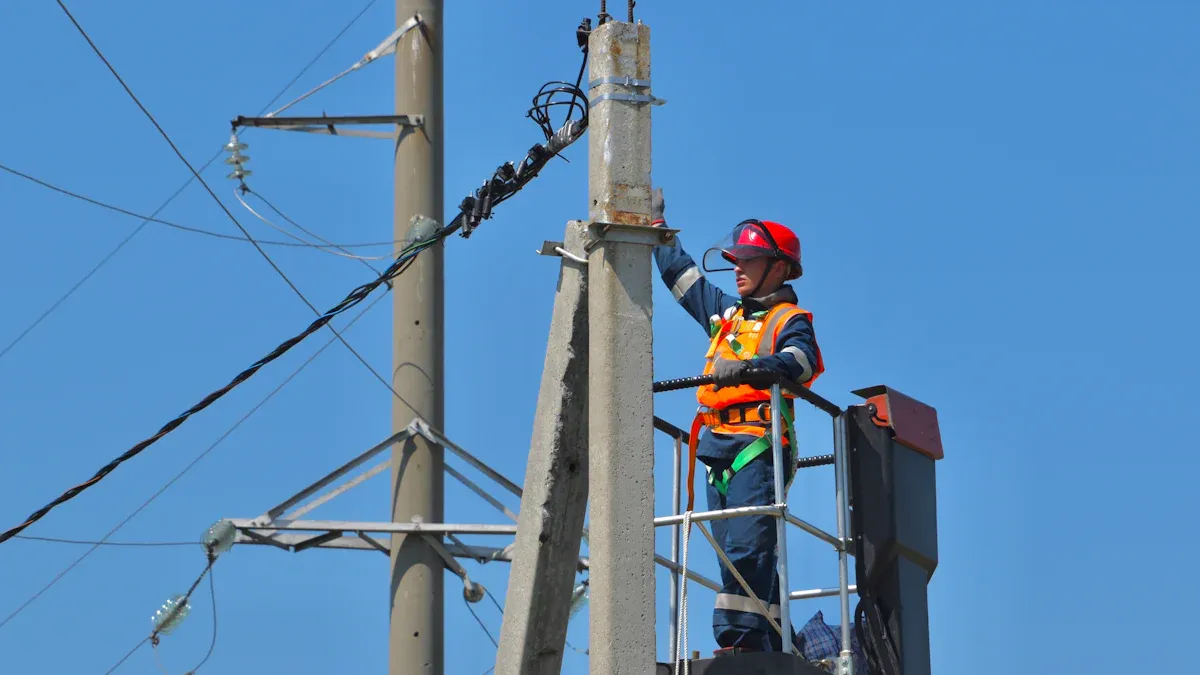
Installation Steps
You should follow simple steps when you put in cables and cable joints. This helps stop problems and keeps everyone safe. Here is an easy guide you can use:
- Check the area before you begin. Look for dangers and make a plan.
- Pick good materials that fit your cables.
- Read and follow the instructions from the manufacturer.
- Only let trained workers do the installation.
- Check your work at each step to make sure it is right.
- Write down what you do so you can look back later.
- Look at your work often and fix things if needed.
Tip: Always test cables and cable joints after you finish. Use a multimeter to check if electricity flows and if the insulation is good.
Common Mistakes
Mistakes can happen when you install cables. You can stop most mistakes if you know what to look for. Here are some common errors and how to stop them:
- Bending cables too much: Follow the smallest bend allowed to keep cables safe.
- Picking the wrong cable: Choose the right cable for your job.
- Messy cables: Use trays or ties to keep cables neat.
- Bad grounding: Ground all cables the right way.
- Not labeling cables: Label both ends so you can find problems fast.
- Too much power on one circuit: Spread out the load on different circuits.
- Bad connections: Use the right tools to make strong connections.
- Unsafe cable paths: Keep cables safe by using good routes.
- Forgetting about the environment: Pick cables that work for your site.
- Not testing: Test every cable after you put it in.
- Not following rules: Learn and use local codes.
Note: Good planning and paying attention help you avoid expensive repairs.
Safety Guidelines
Safety is the most important thing when working with cables and cable joints. You must follow these rules to keep yourself and others safe:
- Pick the right wire size for the amount of current.
- Use insulation that matches the voltage.
- Make sure all connections are tight and covered.
- Let air move well in small spaces.
- Watch for gas in underground places.
- Handle armored connectors with care.
- Do not bend or twist cables too much.
- Use the right way to pull cables and use lubricants.
- Support cables so joints do not hold extra weight.
- Go to safety training often.
- Learn new electrical codes and standards.
- Follow the manufacturer’s rules for each product.
- Remind your team to be safe.
- Know where emergency switches and fire extinguishers are.
- Keep a first aid kit close by.
- Have an emergency plan and make sure everyone knows it.
- Check tools and equipment before you use them.
- Wear gloves that do not conduct electricity, safety glasses, and clothes that do not catch fire.
Callout: Following safety rules keeps your work safe and helps your cables and cable joints last longer.
Maintenance and Troubleshooting
Inspection Tips
You need to check cables and cable joints often to keep your power system safe. Regular inspections help you find problems before they get worse. Here are some best practices:
- Plan your inspection by looking at maps and old records.
- Wear safety gear and follow all safety rules.
- Inspect every 3 to 5 years, or after storms and other big events.
- Use tools like infrared cameras to spot hot spots you cannot see.
- Try partial discharge testing to find insulation problems early.
- Use advanced tools like TDR or GPR to find hidden faults.
- Focus on areas that have shown damage before.
- Keep good records of every inspection.
Tip: Routine maintenance and predictive checks help you avoid sudden failures.
Signs of Failure
You can spot trouble in cables and cable joints if you know what to look for. Watch for these warning signs:
- Cracks or swelling on the cable jacket.
- Worn spots or cuts that show the wires inside.
- Twisted or bent cables that look like a corkscrew.
- Loss of power or flickering lights.
- Burn marks, strange smells, or melted parts.
- Loose or corroded connectors.
- More noise or interference in your system.
Note: Damage often comes from poor installation, too much heat, or water getting inside.
Troubleshooting Steps
If you think something is wrong, you should follow these steps:
- Turn off the power and stay safe.
- Look for open circuits and replace any broken sections.
- Check for short circuits and cut out damaged parts. Add new joints if needed.
- Find ground faults and seal any spots where water got in.
- Fix or replace insulation if you see damage.
- Re-crimp or replace connectors that look bad.
- Upgrade to shielded cables if you notice more interference.
- Test your repairs before turning the power back on.
Callout: Quick action and good repairs help your cables and cable joints last longer.
You help keep power systems safe and working well. When you pick cables and cable joints, check ampacity and short-circuit ratings. Make sure insulation types match. Use good materials for your work. Look at your work often to catch problems early.
Do not start work until you know all parts are right and ready.
Learn new tips and rules as they come out. The table below shows key standards for cable engineering:
| Best Practice | Description |
|---|---|
| Proper Cable Routing | Stops interference and helps cables stay cool |
| Labeling | Makes fixing and checking cables easier |
| Adherence to Standards | Keeps the system safe and makes sure parts work together |
FAQ
What is the difference between a cable and a cable joint?
A cable carries electricity from one place to another. A cable joint connects two cables together. You use cable joints to extend, repair, or branch cables in power systems.
How do you know which cable joint to use?
You should check the voltage, insulation type, and number of cores in your cable. Look at your project needs. Always choose joints that match your cable and meet safety standards.
Why do cable joints fail?
Cable joints fail when you install them incorrectly, use poor materials, or expose them to water and heat. You can prevent failure by following instructions and checking your work often.
Can you repair a damaged cable joint?
Yes, you can repair a damaged cable joint. First, turn off the power. Remove the damaged part. Use a new joint kit that matches your cable. Test the connection before turning the power back on.
How often should you inspect cables and cable joints?
You should inspect cables and cable joints every 3 to 5 years. Check them after storms or if you see signs of damage. Regular inspections help you find problems early and keep your system safe.


